

If you have ever stood in a plumbing showroom or browsed a specification sheet and wondered what separates a bib tap from every other tap on the shelf, you are not alone. The term gets used loosely, the options look similar at first glance, and the wrong choice can cause real problems on site. This guide cuts through the confusion and gives you a clear picture of what a bib tap is, which type suits which job, and how to pick the right one.
What is a Bib Tap (Bib Cock)?
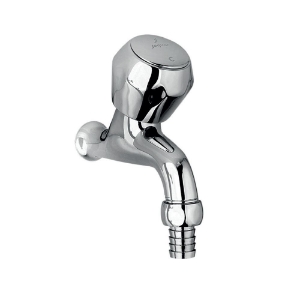
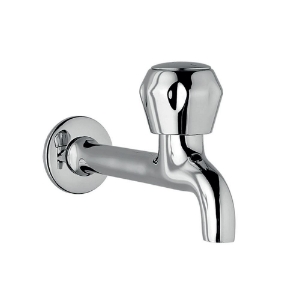
The bib tap meaning is simpler than most people expect. A bib tap, also known as a bibcock, is a tap with a horizontal inlet that connects directly to the wall or pipe, with the spout angled downward. That downward-facing nozzle is where the name comes from. The bib full form is "Belly In Bottom," a reference to the slightly bulged body shape that is characteristic of this tap type.
When people ask what bib cock means in a technical context, the answer is the same fixture described by a different name. Bib tap and bib cock are used interchangeably across the trade.
What sets a bib tap apart from other bathroom tap types is its wall-mounted inlet. Most basin or bath taps connect from below through a deck or surface. A bib tap comes straight out of the wall, which makes it particularly well suited to utility, outdoor, and industrial settings where there is no counter or basin surround to work with.
Types of Bib Taps Explained
1. Long Body Bib Tap
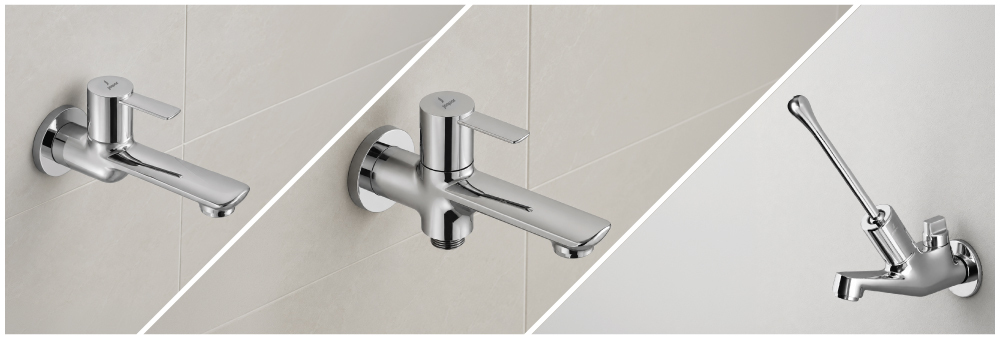
A Long Body Bib Tap has an extended barrel between the wall connection and the spout. That extra length serves a practical purpose. In thick-wall constructions, tiled utility rooms, or anywhere the pipework sits deep behind the surface, a standard short body tap simply will not reach far enough. The long body brings the operating handle and spout out to a comfortable, accessible position. It is a common spec choice in older buildings and industrial environments where wall thicknesses vary.
2. Short Body Bib Tap
The Short Body Bib Tap is the more compact version. It sits closer to the wall and is the standard choice for most residential and light commercial installations where pipework is close to the surface. It takes up less visual space, costs less, and is easier to install in straightforward setups. For most domestic utility rooms and external wall connections, a short body tap does the job well.
3. Angular Bib Tap
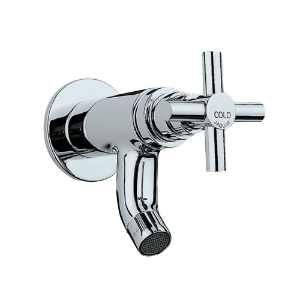
An Angular Bib Tap has an angled body design, typically at 90 degrees, which changes the direction of the water flow between inlet and outlet. This makes it useful when the pipe supply runs in a direction that does not align neatly with a straight-body tap. Architects and plumbers working on projects with non-standard pipework layouts often reach for the angular bib tap to solve an alignment problem without rerouting the supply.
4. Nozzle Bib Tap
The Nozzle Bib Tap is built for outdoor and utility use. The extended nozzle makes it easy to fill buckets, connect a hose, or direct water into a drain. It is the go-to choice for garden walls, external cleaning points, and industrial wash-down areas. The nozzle design keeps the water stream controlled and directed, which matters when you are working in a space without a fixed basin below.
Where are Bib Taps Used?
1. Residential
In homes, bib taps are most often found in utility rooms, garages, and on external walls. A short body bib tap on an outside wall for garden use is one of the most common residential applications. They are also used in laundry areas where a simple, wall-mounted water point is more practical than a full basin setup.
Also Read: Buying Guide to choose the right Kitchen Taps
2. Commercial
Restaurants, hotels, and commercial kitchens use bib taps in back-of-house areas where water access needs to be straightforward and robust. They are not decorative fixtures. They are workhorses, chosen for reliability and ease of maintenance rather than appearance.
3. Garden
The nozzle bib tap is almost the standard for garden installations. Fixed to an external wall, it handles hose connections, watering, and general outdoor water use. For properties with larger grounds or irrigation setups, multiple bib tap points around the perimeter are common.
Also Read: How to Choose the Right Garden Lights for Illumination?
4. Industrial
Factories, warehouses, and workshops rely on bib taps at wash stations, cleaning bays, and machinery supply points. Long body taps are frequently specified here because of the thick walls and heavy-duty surfaces involved. Durability and ease of operation with dirty or gloved hands are the main priorities.
How to Choose the Right Bib Tap?
- Start with the wall. If your pipework sits deep behind thick tiles or masonry, go with a long body tap. For standard domestic setups, a short body is usually sufficient.
- Think about the direction your supply pipe runs. If it does not align with a straight-body tap, an angular bib tap solves the problem cleanly without requiring pipe alterations.
- For outdoor or utility locations where a hose or bucket is regularly used, choose a nozzle bib tap. The extended spout makes it far more practical than a standard spout design.
- If you need to connect two water sources to a single outlet point, look at 2 way bib tap uses. A 2 way bib tap brings hot and cold supplies together, which is useful in utility sinks and certain commercial washing setups where a mixer is not installed.
- Finally, check the material. Brass body taps with a chrome or nickel finish hold up well in both wet and outdoor environments. For industrial use, prioritise build quality over finish.
Also Read: How to Install Bathtub Faucet: A Simple DIY Guide to Replace Your Bathtub Spout
FAQs:
Q1: What does "bib" mean in bib tap?
A. The word "bib" refers to the downward-angled nozzle on the tap, which resembles the shape of a bib. It is this distinctive angled spout that separates a bib tap from other wall-mounted tap types. The term has been used in the plumbing trade for well over a century.
Q2: What is the difference between a bib tap and a stopcock?
A. A bib tap is a point-of-use fixture, meaning it controls the flow of water at the specific location where it is installed. A stopcock, on the other hand, controls the flow of water through the main supply line and is not used as an outlet fixture. They serve completely different functions in a plumbing system.
Q3: What is a bib cock used for?
A. A bib cock is used to control water flow at garden outlets, utility wash areas, laundry connections, and industrial cleaning points. It is a practical, wall-mounted fixture designed for locations where a basin or sink is not present but a reliable water supply point is needed.
Q4: What is the full form of bib tap?
A. BIB stands for "Belly In Bottom," which describes the slightly bulged body shape of the tap. This design feature is what gives the bib tap its recognisable profile and distinguishes it structurally from pillar or mixer tap types.
Q5: What are 2-way bib tap uses?
A. A two-way bib tap allows two water sources, typically hot and cold, to connect to a single outlet point. This is useful in utility sinks, outdoor washing stations, and commercial setups where a dedicated mixer tap is not installed but temperature control is still needed.
Q6: Is a bib tap suitable for outdoor use?
A. Yes, and it is actually one of the most common outdoor tap choices. Nozzle bib taps in particular are well suited to external wall installations, garden water points, and outdoor cleaning areas. They are built to handle regular use and exposure to the elements.
Q7: What is the difference between a long body and short body bib tap?
A. A long body bib tap extends the tap further away from the wall, which makes it the right choice for thick-wall installations where standard taps cannot reach far enough. A short body tap sits closer to the wall and is the standard option for most domestic and light commercial installations where pipework is near the surface.
#Tags:
bib tap meaning, bib cock meaning, what is a bib tap, what is bib cock, bibcock meaning, bib tap types, bib taps meaning, bib full form, what is a bib tap used for, what is bib tap in plumbing, bib tap full form, 2 way bib tap uses, bib cock means, what is a bib tap?
Explore Our Bathroom Categories:
Kitchen Taps