


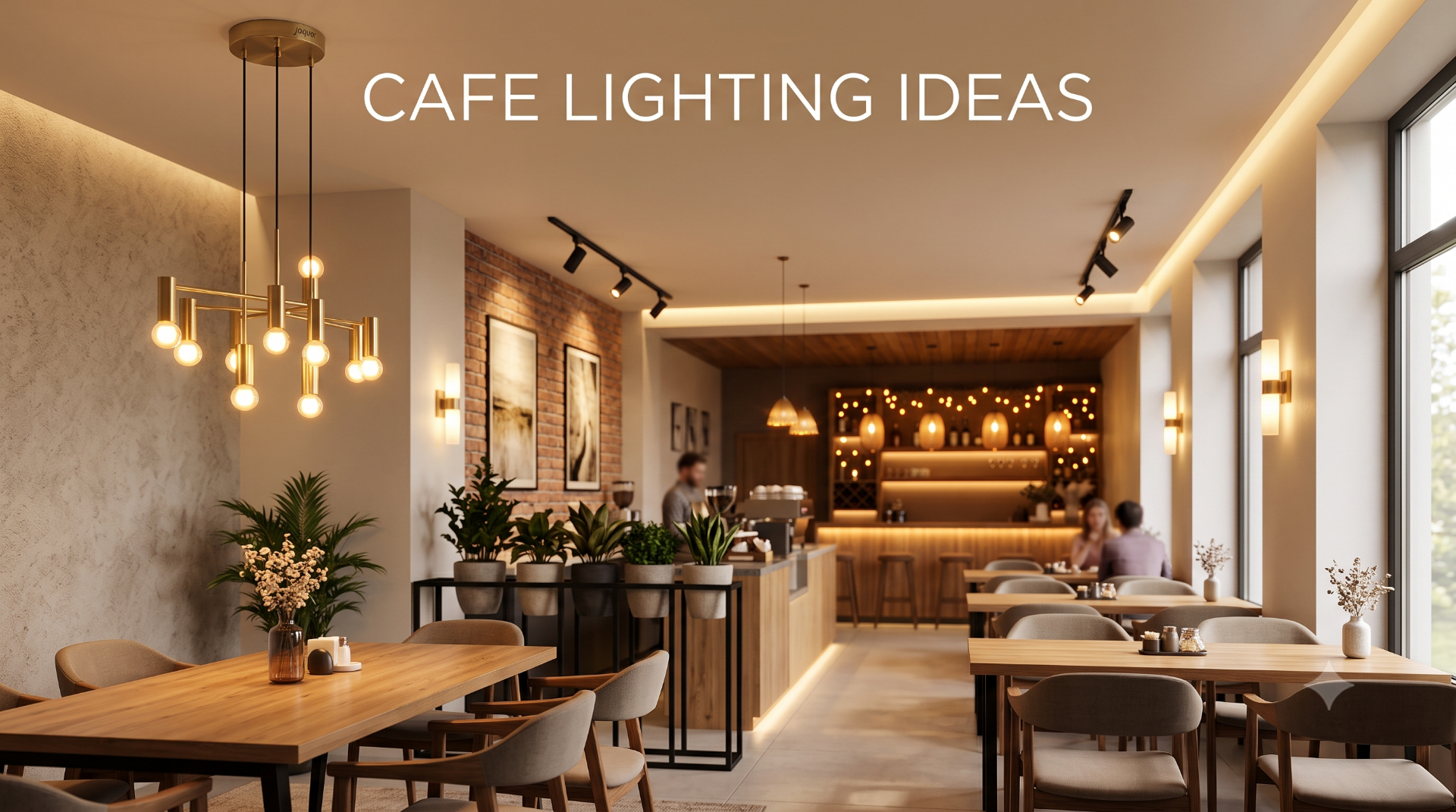
Lighting is one of the first things customers notice when they enter a café, even when they do not consciously recognise it. It affects how the interiors look, how comfortable a table feels, how clearly food and drinks are presented, and how the overall space is experienced throughout the day.
For café owners and designers, therefore, lighting is not simply about making the room bright enough. It is about creating layers of illumination that work together. A café may need comfortable ambient lighting for general visibility, focused illumination over tables, decorative fixtures that reinforce the interior concept, and brighter areas around counters and service zones.
This becomes particularly relevant in the UAE, where cafés often operate across different periods of the day and may transition from bright daytime environments to more intimate evening settings. A well-considered lighting plan should accommodate those changes without making the space feel visually inconsistent.
The most effective approach is to treat lighting as part of the café's interior design from the beginning rather than adding fixtures after the furniture, finishes and layout have already been decided.
Why Lighting Matters in a Café
A café is a multi-purpose environment. Customers may visit for a quick coffee, a business meeting, a meal, casual conversation, remote work or an evening gathering. Each activity benefits from a slightly different lighting environment.
Uniformly bright lighting can make a café feel functional but lack atmosphere. On the other hand, excessive decorative or low-level lighting can make menus, tabletops and circulation areas difficult to see.
Good café lighting balances three things:
- Visibility: Customers and staff should be able to see comfortably.
- Atmosphere: Light should support the intended character of the café.
- Visual hierarchy: Important areas should receive appropriate emphasis.
This is why a combination of indoor and decorative lighting can be more effective than relying on one fixture type throughout the entire space. Jaquar's lighting portfolio includes indoor and decorative lighting categories designed for different applications, providing options that can be incorporated into residential as well as commercial interiors.
1. Start With Ambient Lighting
Ambient lighting provides the basic level of illumination throughout the café. It should make movement comfortable and establish the overall brightness of the space without creating unnecessary glare.
For larger cafés, recessed or ceiling-mounted indoor lighting can provide a clean foundation. The fixtures do not necessarily need to become visual focal points. Their role is to create consistent illumination while allowing other elements of the interior to attract attention.
Ambient lighting is particularly important in:
- Main seating areas
- Walkways
- Entrance zones
- Larger open-plan cafés
- Waiting areas
- Circulation routes
A useful design principle is to avoid placing every fixture at exactly the same spacing simply because the ceiling allows it. Lighting should respond to the actual layout of tables, furniture and circulation.
A café with a long central seating arrangement may benefit from a different lighting rhythm from a smaller space with individual tables along the walls.
2. Use Pendant Lighting Above Tables
Pendant lights are among the most useful decorative fixtures for cafés because they can provide illumination while simultaneously contributing to the interior identity.
A row of pendant lights above a long communal table can establish a strong visual centre. Individual pendants can work well above smaller two- or four-person tables.
Jaquar's lighting portfolio includes pendant options in different decorative forms, allowing designers to consider the fixture itself as part of the café's visual language.
The important consideration is scale.
Large pendants can work well in cafés with high ceilings, while compact fixtures are generally easier to integrate into spaces with lower ceilings. Fixtures positioned too low can interfere with sightlines and create an uncomfortable visual barrier.
Pendant lighting should also complement the furniture beneath it. If the café uses long tables, linear arrangements can create visual continuity. For smaller tables, individual fixtures or grouped pendants may establish a more intimate character.
3. Create a Comfortable Dining Zone
Customers should not feel as though they are sitting underneath a spotlight.
Table lighting needs to illuminate the eating surface without producing harsh shadows or excessive brightness around the customer's face. This is particularly important for cafés where people tend to spend considerable time talking or working.
A practical approach is to combine moderate ambient illumination with focused light over tables.
The result is a layered environment in which the table feels visually defined without becoming dramatically brighter than the rest of the room.
This also helps create visual hierarchy. Customers naturally understand where the seating zones are because the lighting subtly reinforces the architecture and furniture arrangement.
4. Give the Counter Its Own Lighting Treatment
The café counter is both a functional workspace and an important visual feature.
It is where customers order, interact with staff and often first understand the brand's identity. The counter therefore deserves sufficient illumination, but it should not necessarily be the brightest point in the entire café.
A combination of general indoor lighting and decorative fixtures can help distinguish the counter from the seating area.
If the counter has a textured backdrop, shelving or architectural feature, accent-oriented lighting can draw attention to those elements without making the area visually overwhelming.
The lighting should also allow staff to work comfortably. Practical visibility around payment areas, preparation zones and menu displays is more important than creating a dramatic effect.
5. Use Wall Lighting to Add Depth
Wall lighting is useful when a café has large blank walls, narrow seating areas or architectural details that need visual emphasis.
Decorative wall lamps can break up an otherwise flat wall and introduce a second layer of illumination beyond the ceiling.
Jaquar's decorative portfolio includes wall lamps alongside chandeliers, pendants, floor lamps and table lamps, providing different ways to introduce decorative illumination into an interior.
Wall fixtures can be especially effective when used selectively.
For example, a series of wall lamps can create rhythm along a corridor-like seating area. A single decorative wall fixture can highlight a specific architectural feature, artwork or textured surface.
The objective should not be to illuminate every wall equally. Leaving some surfaces comparatively darker can make illuminated areas feel more intentional.
6. Use Decorative Lighting as Part of the Interior Design
Decorative lighting is where function and visual expression meet.
A café with a minimalist interior may use simple pendant fixtures to maintain a clean aesthetic. A more expressive café may use decorative pieces as identifiable design elements.
Chandeliers, pendants, wall lamps and other decorative fixtures can establish a visual theme without requiring extensive changes to the architecture.
The key is restraint.
If every fixture competes for attention, the café can quickly become visually cluttered. Instead, choose one or two recurring lighting forms and use them consistently.
For example:
- Pendant lights over tables
- Wall lamps along selected walls
- Subtle indoor lighting for general illumination
- Decorative lighting around key architectural areas
This creates a hierarchy instead of a collection of unrelated fixtures.
7. Make Small Cafés Feel More Spacious
Smaller cafés require more careful lighting because poorly positioned fixtures can make the space feel crowded.
Instead of filling the ceiling with numerous visible fixtures, use a combination of compact indoor lighting and selected decorative pieces.
Pendant fixtures can visually define tables without requiring additional furniture partitions. Wall lighting can draw attention horizontally and make the walls part of the design.
Another useful technique is to maintain relatively consistent illumination between the seating area and circulation paths. Excessive contrast can make a small café feel fragmented.
Mirrored or reflective surfaces can also interact strongly with lighting, so fixture placement should be checked from different customer viewpoints.
8. Design Lighting Around the Café's Identity
A café's lighting should support its concept.
A contemporary coffee shop may benefit from clean lines and controlled illumination. A casual neighbourhood café may suit softer decorative fixtures. A bakery-style environment may benefit from brighter general illumination around product displays while keeping seating areas more relaxed.
This does not mean following a rigid lighting formula.
Instead, identify the three strongest visual characteristics of the café—such as material, colour and furniture style—and select lighting that supports them.
For instance, if the interior already contains strong decorative elements, the lighting can remain relatively understated. If the architecture is simple, decorative fixtures can introduce additional character.
9. Think About Day and Night Separately
Natural daylight can dramatically change how artificial lighting appears.
During the day, a café with large windows may require comparatively less artificial illumination near the façade. The same space may require a completely different balance after sunset.
This makes it important to consider lighting at different times rather than evaluating the design only during daylight hours.
Areas close to windows should not become visually disconnected from the rest of the café as daylight changes. Similarly, the transition into evening should feel gradual rather than making the entire space suddenly appear dramatically different.
A thoughtful lighting scheme considers the café as a changing environment rather than a static room.
10. Avoid Excessive Glare
Brightness alone does not determine whether lighting is comfortable.
Glare can occur when a light source is directly visible from a customer's normal viewing position or when bright surfaces reflect the source into the eyes.
This is particularly noticeable at tables, where customers may spend extended periods looking horizontally across the room.
When positioning fixtures, assess them from seated eye level as well as from standing height. This simple step can reveal uncomfortable sightlines that may not be obvious from a ceiling plan.
11. Use Lighting to Define Different Seating Experiences
Many modern cafés include different seating types: individual seats, two-person tables, communal tables and lounge-style corners.
Lighting can help distinguish these zones without physical partitions.
For example, individual tables can receive focused pendant lighting, while a communal table can use a linear sequence of fixtures. A quieter corner can have a lower visual brightness with decorative wall or table lighting.
This creates subtle zoning while keeping the overall interior connected.
12. Choose Fixtures According to Ceiling Height
Ceiling height should influence the type and scale of lighting used.
High ceilings can accommodate hanging fixtures that create vertical visual interest. Lower ceilings generally benefit from compact surface or recessed solutions that preserve headroom.
The same pendant that looks balanced in a tall café may feel intrusive in a compact space.
Before selecting fixtures, consider:
- Ceiling height
- Table height
- Customer sightlines
- Circulation routes
- Fixture dimensions
- Visual relationship with furniture
This prevents lighting from becoming an obstacle instead of an enhancement.
13. Consider the Overall Colour of Light
The colour appearance of lighting affects how customers perceive materials, food and the surrounding environment.
A warmer visual character can contribute to a relaxed atmosphere, while a more neutral appearance can provide a cleaner, brighter environment.
There is no universal colour temperature that works for every café. The decision should be based on the interior palette, natural light, operating hours and desired atmosphere.
Most importantly, consistency matters. Randomly mixing visibly different lighting colours can make separate areas appear disconnected.
14. Use Lamps for Smaller Visual Accents
Table and floor lamps can provide another layer of illumination where appropriate.
Jaquar's decorative lighting range includes floor lamps and table lamps, which can be considered for selected café areas where the furniture arrangement allows them to be used safely and practically.
These fixtures can be useful in lounge-style seating, reading corners or quieter areas.
They should not, however, replace the basic lighting needed for circulation and general visibility.
15. Keep the Lighting Scheme Easy to Understand
The best café lighting designs often feel effortless.
Customers should not be consciously analysing the fixtures. They should simply experience a space that feels comfortable, coherent and appropriately illuminated.
A useful hierarchy is:
Ambient lighting → task-focused lighting → accent lighting → decorative lighting
Not every café needs all four layers in equal proportions. The balance should reflect the size, architecture and operating style of the space.
Common Café Lighting Mistakes to Avoid
Several mistakes repeatedly affect café interiors:
Using only one type of light
A single lighting type often creates a flat environment. Layering helps introduce depth.
Making the entire café equally bright
Uniform brightness can remove visual hierarchy and atmosphere.
Ignoring customer eye level
A fixture that looks attractive from a floor plan may create glare when viewed from a chair.
Overusing decorative fixtures
Too many statement pieces compete with each other.
Ignoring daylight
Artificial lighting should work alongside natural light rather than being designed independently.
Choosing fixtures without considering furniture
Lighting and furniture should be planned together, particularly over tables and counters.
A Practical Lighting Checklist for Café Designers
Before finalising the lighting plan, review the following:
- Is the general seating area comfortably illuminated?
- Are tables sufficiently visible without excessive glare?
- Does the counter have appropriate functional lighting?
- Are circulation paths clearly defined?
- Does decorative lighting reinforce the interior concept?
- Are pendant fixtures correctly scaled to the ceiling?
- Are wall fixtures positioned at comfortable viewing angles?
- Does the lighting work during both daytime and evening?
- Are different lighting colours visually compatible?
- Does the lighting create hierarchy rather than uniform brightness?
A café does not need an elaborate lighting arrangement to feel considered. It needs the right relationship between light, space, furniture and customer behaviour.
Conclusion
Good café lighting is ultimately about creating an environment that supports the way people use the space. Ambient illumination establishes comfort, focused lighting defines functional areas, while pendants, wall lamps and other decorative fixtures introduce identity and visual depth.
The right solution depends on the café's size, ceiling height, furniture arrangement, natural light and desired atmosphere. By layering lighting rather than treating every area in the same way, designers can create spaces that remain comfortable from the first morning coffee to the final evening conversation.
Jaquar's lighting portfolio offers solutions across indoor and decorative categories, making it possible to build a coordinated lighting approach around different spatial requirements. The emphasis on considered design, dependable illumination and a broad lighting ecosystem can help create café environments that remain functional while retaining their visual character.
FAQs
- What type of lighting is best for a café?
A combination of ambient, focused and decorative lighting generally works better than relying on a single fixture type. The exact balance depends on the café's layout, ceiling height and interior concept. - Are pendant lights suitable for café tables?
Yes. Pendant lights can provide focused illumination over tables while also contributing to the visual identity of the interior. Their size and hanging height should be selected according to the ceiling and furniture arrangement. - How can lighting make a small café look better?
Use compact general lighting with selected decorative or wall fixtures rather than filling the ceiling with numerous visible lights. Layered illumination can create depth without making the space feel crowded. - Should café lighting be different during the day and evening?
Ideally, the lighting scheme should work with changing daylight conditions. Areas near windows may require a different balance during daytime compared with evening hours. - How do I avoid glare in a café?
Consider fixtures from the customer's seated eye level, not only from the ceiling plan. Avoid positioning bright sources directly within common sightlines and check reflections from glossy surfaces.