


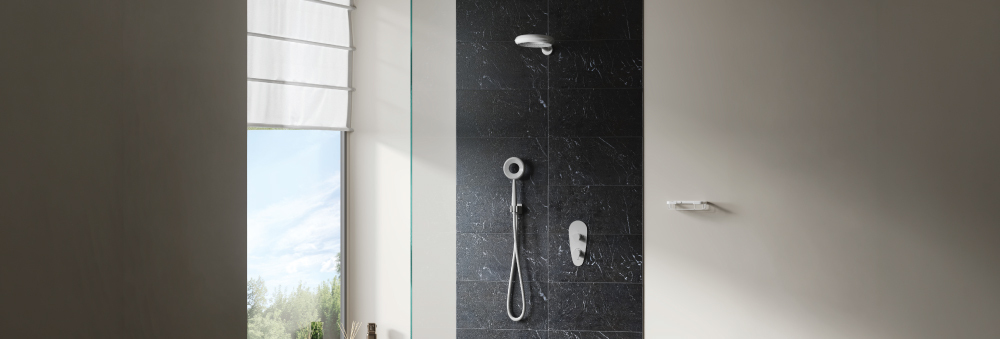
Replacing a shower head is one of the quickest bathroom improvements you can make. If you have been searching for how to replace a shower head, you will be pleased to know that most homeowners can finish the task in around 5 to 10 minutes. It is an affordable upgrade that can improve comfort, refresh the appearance of your bathroom and even help reduce water consumption with a modern water-saving model. Best of all, most installations require very few tools, making this an ideal DIY project.
Changing an older shower head can also solve common problems such as blocked spray nozzles, uneven water flow and heavy limescale build-up. Instead of paying for a professional visit, you can complete the replacement yourself and enjoy immediate results.
Tools and Materials Needed
- New shower head
- PTFE tape
- Soft cloth
- Adjustable spanner (optional)
- White vinegar
- Small brush for cleaning threads
Understanding Thread Types
Before buying a replacement, check the thread connection. Many people ask are all shower heads universal. Most modern products use standard threads, but some older homes or imported plumbing systems may use different fittings. If the shower head does not screw on smoothly by hand, stop and check whether an adaptor is required rather than forcing the connection.
Water Pressure and Compatibility
Choosing a shower head that suits your water pressure makes a noticeable difference. Homes with lower pressure often benefit from specially designed low-pressure models, while higher pressure systems can use fixed, rain or handheld shower heads without difficulty. Water-saving shower heads with aerators can also give a comfortable spray while using less water.
How To Change Shower Head?
Step 1: Remove the Existing Shower Head
- If you are wondering how to take off a shower head, start by turning the fitting anti-clockwise.
- If mineral deposits have made it difficult to remove, soak the connection with white vinegar for 30 minutes.
- Before using an adjustable spanner, wrap a soft cloth around the fitting to prevent scratching the finish.
Step 2: Prepare the Shower Arm
- Clean the shower arm with the old shower head removed, thoroughly clean the exposed threads.
- Remove any old PTFE tape, dirt and limescale. A clean connection will create a better seal and reduce the risk of leaks.
Step 3: Apply PTFE Tape
- Wrap new PTFE tape around the threads in a clockwise direction three or four times.
This simple step is critical to a reliable shower head installation because it helps create a watertight seal.
Step 4: Install the New Shower Head
- Install New Shower Head Hand screw the new one onto the shower arm until it is snug.
- Only use a spanner for a slight final tighten if required.
- Overtightening may damage the threads or crack plastic fittings.
Step 5: Test for Leaks
- Check for Leaks Slowly turn the water on and check the connection.
- If you notice a drip, remove the shower head, replace the PTFE tape and reinstall it.
- Most leaks are caused by insufficient tape or cross-threading.

Showerhead Types & Features
Showerhead Type | Features |
Fixed Showerhead | Simple and affordable |
Handheld Showerhead | Flexible. Family friendly. |
Rain Showerhead | Wide coverage and luxury feel. |
Dual head Showerhead | Versatile spray options. |
Troubleshooting Flow
- Stuck shower head → Soak with vinegar → Use cloth and spanner.
- Leak → Replace PTFE tape → Refit.
- Weak pressure → Clean nozzles → Check pressure rating.
- Loose fitting → Remove and install again carefully.
Maintenance Tips
- Clean the spray nozzles regularly to prevent limescale build-up.
- In hard water areas, soak the shower head in white vinegar every few months.
- Wipe the finish after use to reduce water marks and inspect the connection occasionally to ensure it remains leak free.
- Regular maintenance extends the life of the shower head and keeps water flowing evenly.
When to Call a Professional
Although most homeowners can complete this task, professional help is recommended if the shower arm is damaged, concealed pipework is leaking, the connection is severely corroded or specialist adaptors are required. Persistent pressure problems may also indicate an issue elsewhere in the plumbing system.
If you have also searched how to change shower head, the installation process is almost identical. Learning how to replace a shower head yourself is a practical DIY skill that saves money, improves your showering experience and gives your bathroom a fresh new look.
FAQs:
Q. Are all shower heads universally compatible?
A. Most are compatible with standard fittings, but always check the thread size first.
Q. My shower head is stuck. What should I do?
A. Use white vinegar to loosen mineral deposits before gently using a spanner.
Q. Will a new shower head reduce my water bill?
A. A water-saving model can reduce water and hot water consumption.
Q. Do I need tools, or can I remove it by hand?
A. Many models can be removed by hand. A spanner may help if it is tight.
Q. What should I do if my new shower head leaks?
A. Remove it, replace the PTFE tape and tighten it again.
Q. My region's water pressure is too low for a standard shower head?
A. Choose a high pressure shower head designed specifically for low-pressure systems.