


If your bathtub tap has started leaking, looks dated or no longer works as it should, replacing it can make a noticeable difference. The good news is that you don’t always need to call a plumber. If you have a few basic tools and a free afternoon, learning how to install a bathtub faucet can be a rewarding DIY project.
Many homeowners worry about damaging the plumbing or causing leaks. I can totally get that, especially if this is your first time doing bathroom fittings. The key is to take your time, use the right tools and follow each step carefully. Most of the time you can finish the job in two to three hours and save the cost of professional installation.
Tools and Materials You’ll Need
Set everything out before you get started so you don’t have to hunt down tools in the middle of the job.
You will need:
- Adjustable spanner
- Screwdriver set
- Allen key, if your faucet uses one
- PTFE (plumber's) tape
- Silicone sealant if recommended by the manufacturer
- Soft cloth
- Bucket or towel
- Cleaning cloth
- Your new bathtub faucet or spout
Having everything within reach makes bathtub faucet installation much easier and helps avoid unnecessary interruptions.
Safety First: Shut Off the Water
This is the one step you should never skip. It only takes a few minutes, but it can save you from an unexpected mess.
- Turn off the water supply before touching the existing faucet. If your bathroom has isolation valves, switch those off. Otherwise, turn off the main water supply to your home.
- Open the bathtub tap to release any remaining water in the pipes. Keep a towel underneath the work area because a little water may still drain out.
Check What Type of Bathtub Faucets You Have
Not every bathtub is fitted with the same type of faucet. Before buying a replacement, have a close look at your existing setup.
You may have:
- A single-handle faucet
- A double-handle faucet
- A three-hole design
- A wall-mounted faucet
- A deck-mounted faucet
Matching the new faucet to your current plumbing is one of the easiest ways to avoid installation problems later.
Also Read: Choosing the Perfect Bathtub: A Comprehensive Buying Guide
How To Change Bathtub Faucet: Step By Step Guide
Step 1: Remove the Existing Faucet
Most bathtub faucets are secured with either a screw or a threaded connection.
- If there is a decorative cap, gently remove it to reveal the fixing screw.
- Loosen the screw using the correct tool and carefully pull the faucet away.
Sometimes older fittings refuse to move because of mineral build-up. If that happens, avoid forcing it. A gentle twisting motion usually works better than pulling hard.
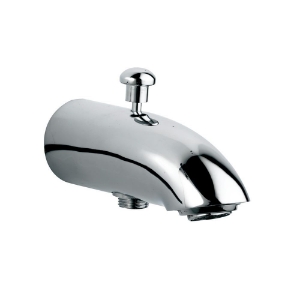
This is also the first step if you are learning how to replace bathtub spout.
Step 2: Clean the Pipe
With the old faucet removed, take a moment to clean the exposed pipe.- Remove old PTFE tape, dried sealant and any dirt sitting around the threads.
- Wipe everything clean with a soft cloth.
- It may seem like a small detail, but having a clean surface will help form a better seal and help prevent leaks.
- If you see damaged threads or corrosion you may want to seek professional advice before fitting the new tap.
Step 3: Install the new faucet
- Wrap new PTFE tape around the threaded pipe, turning it in the same direction as the new fitting will tighten.
- Position the new faucet carefully and tighten according to the manufacturer’s instructions. It should feel secure but do not overtighten as this can damage the fitting.
If you are researching how to replace tub faucet, taking your time during this stage usually leads to the best result.
For homeowners wondering how to replace a two handle bathtub faucet, replace one handle at a time so you can keep track of each component. Install the new handles and trim pieces according to the manufacturer instructions.
Step 4: Turn Water Back On
- Slowly open up the water and look for any leaks.
- Run both the hot and cold water for a couple of minutes.
- Feel around the joints with a dry cloth to see if any moisture appears.
- If you see a little drip, tighten the fitting a little bit or take it out and re-tape it with some new PTFE tape and try again.
Common Problems and Simple Fixes
- A dripping connection usually means the threads are not sealed properly.
- If the faucet feels loose, check the fixing screw or mounting hardware.
- Low water pressure after installation is often caused by debris inside the aerator. Unscrew it, rinse it under clean water and refit it.
Many people also choose replacing bathtub fixtures at the same time so the bath area has a matching finish.
When Is It Better to Call a Professional?
- DIY replacement is suitable for many homes, but there are times when expert help is the safer choice.
- If you discover hidden leaks, damaged pipework, severe corrosion or plumbing that needs altering, it is best to stop and contact a qualified plumber.
Looking After Your New Faucet
A little maintenance goes a long way.
- After cleaning, dry the faucet.
- Avoid abrasive products and remove limescale regularly to keep the finish looking its best.
- Keeping the fittings clean will make removal much easier if you ever need to change bathtub faucet again in the future.
Final Checklist
Before putting your tools away, make sure you have:
- Turned the water supply back on.
- Checked carefully for leaks.
- Tested both hot and cold water.
- Tightened every fitting correctly.
- Cleaned the work area.
- Confirmed the faucet operates smoothly.
Once everything is working as it should, you can enjoy the satisfaction of completing replacing bathtub faucet yourself. With a careful approach and the right preparation, how to install bathtub faucet is a DIY task that many homeowners can complete successfully while saving on installation costs.
FAQs:
Q. How long does it take to replace a bathtub faucet?
A. Most DIY installations take between two and three hours.
Q. Do I need to shut off the water supply before fitting a bathtub faucet?
A. Yes. Always turn off the water supply before starting any plumbing work.
Q. What's the difference between single-handle and double-handle bathtub faucet installation?
A. A single-handle faucet controls temperature and flow together, while a double-handle faucet has separate hot and cold controls.
Single-handle models are generally quicker to fit, while double-handle designs require separate installation for each handle.
Q. How do I know if my new faucet will fit my bathtub?
A. Check the mounting style, number of holes and pipe connection before buying.
Q. Do I need a plumber's licence to install a bathtub faucet?
A. In many areas, homeowners can replace a faucet themselves, but always check local regulations if you are unsure.
#Tags:
how to install bathtub faucet, how to replace tub faucet, replacing bathtub faucet, how to change bathtub faucet, bathtub faucet installation, replacing bathtub fixtures, how to replace a two handle bathtub faucet, how to replace bathtub spout
Explore Our Bathroom Categories: