


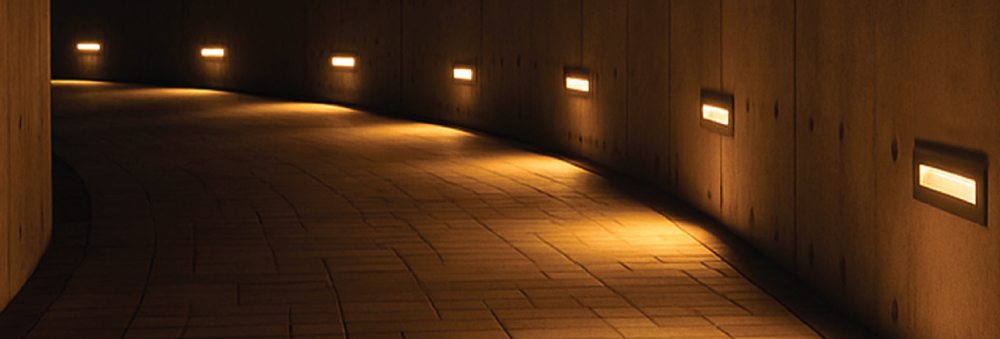
Staircases are often one of the most active spots in any home, but they are also one of the easiest to forget about when it comes to lighting. You might have attractive walls and trendy flooring, but bad lighting on your staircase can quickly make it an inconvenient and dangerous space. A simple lighting upgrade will not only improve visibility, but also add warmth and character to your interiors.
Many homeowners start looking for stair lighting ideas when they see dark corners, uneven lighting or shadows on the steps. Others simply want to modernise their home without taking on a major renovation. Fortunately, staircase lighting is one of those improvements that delivers both practical and visual benefits. With the right fixtures and placement, your stairs can be made safer, and create an inviting focal point that complements the rest of your home.
Whether you are renovating an existing staircase or designing a new staircase, these stairway lighting ideas will help you choose lighting that balances safety, comfort and style.
Start by Getting to Know Your Staircase
- Light fixtures aren’t one-size-fits-all when it comes to lighting your staircase. Before you select fixtures, take some time to inspect your staircase layout.
- Straight staircases need fairly uniform lighting from top to bottom. Curved or spiral staircases may need more lighting around the bends where shadows can form.
- Split-level staircases may benefit from a combination of ceiling lights and wall lighting to provide visibility on each landing.
- Brightness is also important. If you don’t have enough light, you’ll have dark spots, and if you have too much brightness, you’ll have glare that will make each step harder to see. Warm white LED lighting typically creates a comfortable balance and is one of the most popular modern staircase lighting ideas.
Taking the time to understand your staircase before shopping for lights pays off so you don’t waste money and every step is properly lit.
Stairway Lighting Ideas
Tip 1: Use recessed ceiling lights
Nothing beats recessed ceiling lights for a sleek and modern finish. The fittings are flush with the ceiling and cast great illumination without making the staircase feel cramped.
Spacing is important. Lights should be evenly spaced so that each step is equally illuminated. Large gaps between fittings can cause shadowing which can obscure visibility especially at night.
LED recessed lights are another smart long term investment. Not only do they use less electricity than old-school halogen bulbs, they usually last much longer, too, meaning less maintenance over time.
Recessed lighting remains one of the safest and most versatile options for homeowners seeking a practical stair light design.
Tip 2: Install Under-Stair LED Strip
Lighting One of the biggest trends in recent years has been the use of LED strips under each stair tread. These under stairs lighting ideas combine subtle elegance with excellent visibility.
LED strips don’t light the stairway with bright overhead light, they just provide a soft light on each step. The effect is a modern floating effect that works especially well in modern homes.
These days many systems come with dimmers, motion sensors or smart controls, so that the lights turn on by themselves when someone approaches the staircase. Besides looking impressive, this improves safety during the evening while reducing unnecessary energy consumption.
Cost is another benefit. Sticking LED strips on with adhesive backing is often easy enough for experienced DIY homeowners to install without major alterations.
Tip 3: Opt for Wall Sconces for a Classic Look
If your home has a more traditional interior, wall sconces will be both a decoration and a functional light fixture. They will provide soft side lighting, which will eliminate shadows and add character to the staircase.
Spacing the fittings evenly along the wall helps produce consistent lighting from top to bottom. Warm white bulbs will make a space feel cozy without having the bright light look to it.
The finishes are endless, from brushed brass and matte black to polished chrome, so wall sconces go with just about any decorating style.
These stylish fittings still one of the most dependable stair light ideas for homeowners who want lighting that complements, not dominates, their interior.
Tip 4: Make the Staircase a Feature with Pendant Lights
Homes with double-height ceilings or open entrance halls can benefit from pendant lighting. Rather than simply lighting the staircase, these fixtures become a dramatic centrepiece that immediately catches attention.
Size matters Too big and it can overpower a narrow staircase, too small and it can get lost in larger spaces. And don't forget about hanging height, balancing the need to have enough clearance and to provide useful lighting.
Many designers use recessed ceiling lights or wall sconces to layer pendant lighting. This layered approach offers practical visibility while producing one of the most elegant stairs lighting ideas for modern homes.
Tip 5: Install Smart or Motion Sensor Lighting
Smart technology has changed the way homeowners use lighting. With motion sensors, the staircase is automatically lit when it detects movement so that one doesn’t have to fumble around for switches in the dark.
Smart lighting systems also allow users to adjust brightness levels and set schedules or control lighting using mobile apps. This flexibility increases convenience and contributes to reducing electricity consumption.
Smart lighting is a bit more expensive up front, but it’s worth it for the savings and convenience down the road. It’s especially valued for the extra safety it provides families with young children or older relatives living in the house.
Smart lighting is a hot concept these days for steps lights because it is energy-efficient and practical in everyday life.
DIY or Hire a Professional?
It’s not always necessary to call in a professional for staircase lighting projects. Often, battery-powered lights, plug-in fixtures and adhesive LED strips can be installed by a DIYer if the directions provided by the manufacturer are followed carefully.
However, hard-wired ceiling lights, pendant lights and wall sconces should generally be installed by a qualified electrician. A professional can ensure the electrical work is done safely and in compliance with local codes.
Choosing the right installation method protects both your home and your investment.
A Small Upgrade with a Big Impact
Good lighting changes the way a staircase feels. It makes everything easier to follow as you go along, highlights the architectural features, and creates a more welcoming feel in your home.
Thoughtful planning can totally change your staircase whether you like recessed lighting, decorative wall sconces, elegant pendants or modern LED strips. Even outdoor areas deserve attention and exploring outdoor step lighting ideas can boost safety while adding kerb appeal to entrances and garden pathways.
The best staircase lighting isn’t just about brightness. It’s about creating a space that feels comfortable, safe and visually balanced every day.
FAQs:
Q. How many lumens do I need for stair lighting?
A. Most residential staircases work well with around 100 to 150 lumens per square metre. The aim is to provide even lighting that clearly illuminates every step without causing glare.
Q. Can I install staircase lighting myself?
A. Yes, simple options such as adhesive LED strip lights or battery-operated fixtures are suitable for DIY installation. For hardwired lights, it is always safer to hire a qualified electrician.
Q. What are some of the best lighting for spiral staircases?
A. Spiral staircases benefit from layered lighting, such as wall sconces combined with LED strip lights or recessed ceiling lights, to minimise shadows around the curves.
Q. Are motion sensors worth installing in staircase?
A. Yes. Motion sensor lights improve safety by automatically lighting the stairs when someone approaches, while also helping reduce unnecessary energy consumption.
Q. How do I prevent glare on stairs?
A. Choose warm white LED lights, avoid placing bright fixtures directly at eye level, and use diffused lighting to create even illumination across every step.