

Have you ever wondered what happens to the soapy swirl that disappears down the drain after you wash your hands? It’s not some plumbing sorcery, but something that quietly works wonders: the wash basin waste coupling. Tucked beneath the basin’s smooth surface, this simple component plays a vital role in your daily handwashing routine.
This may not be the most glamorous part of your bathroom, but it’s essential. It ensures a smooth and hygienic bathroom experience. Let’s take a closer look at the wash basin waste coupling and why it deserves a little more recognition.
What is Wash Basin Waste Coupling?
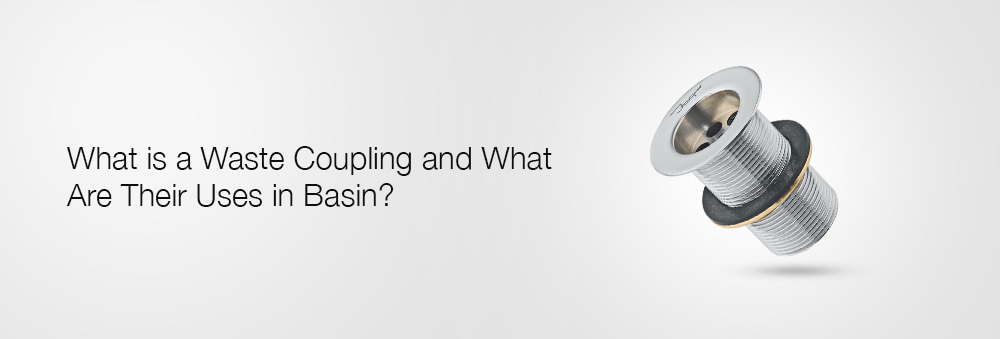
A basin waste coupling, also known as a wash basin waste coupling or drain coupling, is a fitting that connects the drain pipe of your basin to the main drainage system. It acts as a bridge, channelling wastewater and debris away from your basin and into the larger waste disposal network.
Before buying a wash basin waste coupling, measure the basin outlet diameter. Most basins use 32 mm or 40 mm waste coupling sizes, and choosing the wrong size can cause leakage or improper drainage even with good sealing.
Waste Coupling Features:
But why are basin waste couplings so important? Here are a few reasons:
1. Efficient Drainage:
A properly installed wash basin waste coupling ensures smooth and efficient drainage, preventing water from accumulating in your basin. This keeps your bathroom clean and hygienic and reduces the risk of unpleasant odors.
2. Clog Prevention:
By capturing larger debris before it enters the drainage system, basin waste couplings play a vital role in preventing blockages. This saves you the hassle and expense of calling a plumber for drain cleaning.
3. Sanitary Seal:
Basin waste couplings often incorporate overflow tubes and P-traps. Overflow tubes prevent water from overflowing your basin in case of a blockage, while P-traps create a water barrier that hinders sewer gasses from entering your bathroom.
Also Read: Buying Guide to choose the Right Kitchen Taps
Types of Waste Coupling:
When it comes to Jaquar basin waste couplings, two main types of waste coupling for sinks cater to different basin configurations: half-thread and full-thread.
1. Half-Thread Couplings:
These offer a perfect fit for modern basins with a dedicated overflow hole. The threaded end securely connects to the basin’s drainpipe, while the smooth surface seamlessly integrates with the overflow hole. Consider a click-clack waste coupling waste coupling half thread with a ceramic cap. It is 32MM, half thread, with a size of 130 mm height and 65 mm diameter of the ceramic cap.
2. Full-Thread Couplings:
True to their name, these couplings have threads along their entire length. They provide a secure connection for traditional basins that connect directly to the drainpipe without a separate overflow hole. Jaquar’s click-clack couplings full thread waste coupling incorporate overflow tubes to protect against overflows.
Know the details of Jaquar's bath & light range by downloading respective catalogues.
Download Catalogue
Waste Coupling Choosing Tips:
While full-thread and half-thread options cater to different basin configurations, there are other crucial factors to consider when selecting your wash basin waste coupling champion:
1. Material Matters:
Durability is key in your bathroom’s damp environment. Opt for wash basin waste pipe fittings made from high-quality materials that resist corrosion and ensure a longer lifespan, preventing leaks and the need for replacements down the line.
2. Overflow Protection:
Does your basin have a dedicated overflow hole? If so, choosing a basin waste coupling with an integrated overflow tube becomes even more important. This prevents messy overflows and potential water damage in case of a blockage or clogged drain.
3. Compatibility Check:
Always refer to the manufacturer's specifications to ensure compatibility between your chosen basin waste coupling and your specific basin model. Some couplings might be specifically designed to fit certain basins for a seamless connection and optimal performance.
Also Read: Countertop Basins Guide - Tips To Choose Counter Top Wash Basin
The right wash basin waste coupling ensures smooth drainage, easy maintenance, and long-term leak protection in both countertop and wall-mounted basins.
Warranty Considerations:
Peace of mind is priceless. Look for basin waste couplings backed by a reliable warranty, as we offer for up to 7 years. We ensure that you're covered in case of any unforeseen defects or malfunctions, saving you time and money on repairs.
Remember, every part of your wash basin, even the smallest wash basin parts, plays a significant role in ensuring a smooth and hygienic bathroom experience. So, choose wisely!
Conclusion:
For those who appreciate the finer things, the bathroom goes beyond functionality to become a personal sanctuary where utility meets artistry. Jaquar, a global leader in premium bathware, understands this philosophy deeply. Even the most understated components, like basin waste couplings, are meticulously crafted for exceptional performance and to elevate the overall experience through inspired design. Jaquar's basin waste couplings are stylish expressions that seamlessly blend into the artistic tapestry of your bathroom space. Engineered with premium materials, they ensure efficient drainage, prevent clogs, and enhance the ambience with elegant aesthetics. When designing your dream bathroom, consider Jaquar's offering to unlock the transformative power of artistry in your daily routines - a harmonious sanctuary that reflects your taste and refined sensibilities.
FAQs:
Q1. What is the standard wash basin waste coupling size?
Most wash basins use a 32 mm waste coupling, while larger basins may require 40 mm, depending on outlet design.
Q2. Is basin waste coupling included with wash basins?
Not always. Many basins require the waste coupling to be purchased separately.
Q3. Can the same waste coupling be used for all basins?
No. Basin type, outlet size, and overflow design affect compatibility.
Q4. What material is best for wash basin waste coupling?
Brass and stainless steel are preferred for durability and corrosion resistance.
Q5. How often should a basin waste coupling be replaced?
It should be replaced if there is leakage, rusting, or frequent clogging.
#Tags:
what is waste coupling, wash basin waste coupling size, wash basin waste coupling size in mm, types of waste coupling for sink, basin coupling size, how to fix wash basin waste coupling, waste coupling types, sink waste coupling size, waste coupling half thread vs full thread, wash basin parts
Explore Our Bathroom Categories: