


We use cookies to deliver the best possible experience on our website. By continuing to use this site, or closing this box, you consent to our use of cookies.

Decorative
Decorative Lights
Decorative lights are designed to enhance the ambience and visual appeal of interior and exterior spaces. These fixtures combine form and function by casting accent lighting, highlighting architectural features, and creating mood effects. With a range of shapes, finishes, and colour temperatures, they elevate design while providing tailored illumination for living spaces.
Jaquar, a global brand for lighting solutions stands at the forefront, delivering state-of-the-art home decor lights that epitomize luxury and innovation. The brand seamlessly marries form with function, setting an unparalleled standard.
Discover our high-quality LED decorative lights as a decoration lights perfect for homes, cafes, and hotel lobbies.
Planning Decorative Lighting Around the Purpose of a Space
Decorative lighting should be selected according to the role it needs to perform within a room. Some fixtures contribute substantially to general illumination, while others create a focal point, highlight a specific feature or supplement lighting provided elsewhere. Defining this role first helps establish the appropriate fixture type, position and technical requirements.
Begin by considering how the room is used throughout the day. A living room may need comfortable general illumination for everyday activities, focused light near a reading chair and a decorative fixture that establishes visual identity. A dining area may require light concentrated around the table, while an entrance may prioritise a clear visual focal point and unobstructed movement.
Natural light, wall colours, ceiling finishes and furniture arrangement also influence the result. Darker surfaces may absorb more light, while glass, polished stone and other reflective materials can redirect it. A fixture selected in isolation may therefore look different once it is installed in the actual room.
Decide whether the decorative fixture is expected to provide ambient illumination, task lighting, accent lighting or a combination. If it is primarily a visual feature, additional light sources may be necessary to meet the room's practical needs. If it is expected to illuminate a larger area, review its luminous output and distribution rather than relying on appearance alone.
Choosing the Right Scale for the Room
Fixture scale describes how the size and visual weight of a light relate to the room and the objects around it. The most suitable decorative lighting fixture is not necessarily the largest or most elaborate option. It should have a clear relationship with the ceiling, furniture, architectural features and available space.
A compact living room may benefit from a fixture with a controlled profile that does not overwhelm the ceiling. In a larger open-plan room, a more substantial chandelier or a coordinated group of pendants may help define a seating or dining zone. The decision should reflect the dimensions of the area the fixture is intended to serve, not simply the total floor area of the property.
Furniture provides an important reference point. Above a dining table, compare the fixture's width and length with the tabletop. Beside a sofa, consider whether a floor lamp looks proportionate to the seating and leaves enough space for movement. A table lamp should fit comfortably on its surface without crowding other objects or appearing visually unstable.
Ceiling height adds another dimension. A fixture with a tall or layered profile may suit a high ceiling but feel intrusive in a lower room. Conversely, a small fixture can lose visual presence in a large space. Evaluate the complete dimensions, including suspension components and decorative projections, before choosing.
Where a room includes a prominent architectural feature, such as a large window, a feature wall or a double-height void, consider how the light will appear from multiple viewpoints. The fixture should work with the architecture rather than compete with every other element.
Selecting Chandeliers for Different Ceiling Heights
Ceiling height and suspension arrangements influence whether a chandelier is suitable for a particular room. The total installed height, fixture diameter, decorative projections and clearance beneath the fitting should be assessed together. A design that works above a dining table may not be appropriate in an entrance or a walkway.
In a room with a standard-height ceiling, consider the fixture's vertical depth and the amount of visual space it occupies. A relatively compact chandelier may preserve a sense of openness, particularly where the room contains tall furniture or other prominent ceiling features. Check the installed clearance against the intended use of the space.
High ceilings provide more vertical room for chandeliers with elongated forms or multiple tiers. However, a larger void does not automatically mean that the largest available fixture is appropriate. Its width should relate to the space, while its vertical proportions should complement the ceiling height and surrounding architecture.
Double-height interiors and stairwells need additional planning. A chandelier may be visible from several floors or adjoining rooms, so its appearance should be considered from below, above and across the void. Access for cleaning and servicing should be planned at the same time as the mounting position.
Before selection, verify the fixture's weight, dimensions, suspension type and installation instructions. Some products may allow adjustment within a defined range, while others may use a fixed stem or specific suspension components. Do not assume that every chandelier can be shortened, extended or installed on a sloped ceiling.
For a coordinated starting point, compare the verified chandelier collection with the room's dimensions and ceiling configuration, then review the specifications of individual models.
Planning Pendant Lights Over Dining Tables and Kitchen Islands
Pendant lights can establish a clear visual centre above a dining table, kitchen island or another defined surface. Their success depends on the relationship between the fixture, the surface below it, the people using the space and the other lighting in the room.
For a single pendant, consider whether its shape and dimensions relate to the table or island. A narrow fixture may suit a linear surface, while a wider design may better relate to a round or square table. The aim is to create a deliberate connection between the light and the furniture rather than leaving the fixture visually detached.
Multiple pendants require attention to alignment and spacing. A row above an island should relate to the island's length and the positions of work areas or seating. The arrangement should look balanced from the main viewpoints and avoid placing a pendant directly where it obstructs a sightline across the surface.
Suspension height affects both appearance and practical use. A low pendant may help concentrate light on the table but can obstruct conversation or movement if positioned poorly. A high pendant may preserve sightlines but distribute less light onto the surface, depending on its design. Treat common height recommendations as starting points only, and verify the actual fixture dimensions and the needs of the room.
Also consider the direction of light. A downward-facing design may concentrate illumination on the tabletop or worktop, while an open or multidirectional fixture may distribute more light into the surrounding space. The product's construction determines the result, so check the technical details before assuming how the light will behave.
Coordinate pendant lighting with ceiling lights, under-cabinet lighting or other fixtures that support the same space. This reduces the risk of relying on one decorative fitting for every lighting requirement.
Using Floor Lamps and Table Lamps to Add Lighting Layers
Floor lamps and table lamps provide flexibility because they can introduce light closer to where activities take place. Their position can be adjusted to suit furniture arrangements, reading areas or changes in how a room is used, subject to the product's installation and connection requirements.
In a living room, a floor lamp beside a sofa or reading chair can supplement ceiling illumination. Its height, shade shape and light direction influence whether the output reaches a reading surface, spreads into the room or creates a local visual accent. Consider the position of the seated user and the visibility of the light source to reduce unwanted glare.
Table lamps can work on bedside tables, sideboards, console tables and desks. Before selecting one, assess the available surface area, the height of nearby furniture and the position of power connections. A lamp that occupies too much of a bedside table may interfere with other everyday items, while one positioned too close to a reflective screen may create distracting reflections.
The shade and base should be considered as a complete fixture. An opaque shade may direct light mainly upwards or downwards, depending on its construction, while a more translucent shade may allow light to spread through its surface. The exact distribution depends on the product design and light source.
Portable lamps can also help balance a room where a central ceiling fixture does not reach every area evenly. They should supplement the overall lighting plan, not be assumed to correct every problem with insufficient general illumination. Check the product's stated light-source requirements and cleaning instructions before purchase.
Explore the available floor lamps when considering a secondary light near seating or in an open corner. Their suitability should be assessed against the actual space, intended use and required illumination.
Positioning Wall Lamps for Visual Balance
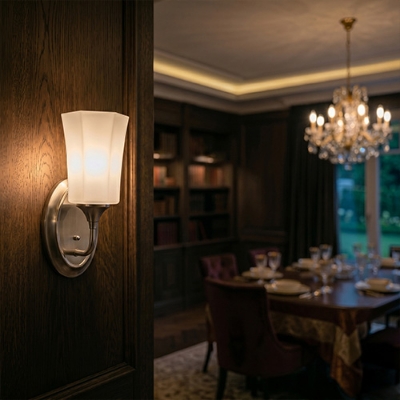
Wall lamps can help establish visual rhythm along a wall, provide supplementary illumination and draw attention to selected architectural details. Their placement should be determined by the surrounding surfaces, furniture, viewing angles and the direction in which the fixture distributes light.
In hallways and corridors, repeated wall lamps may create a consistent visual pattern. Their spacing should relate to the length of the wall and the location of doors, artwork or architectural features. Placing fixtures too close to door frames or decorative elements can make the arrangement feel crowded.
In living rooms, a wall lamp may complement a seating area, highlight a textured surface or contribute to the lighting around a display. Consider how the light will interact with wall colour and finish. Grazing light across a textured wall can make surface variations more visible, while a more diffuse output may produce a softer appearance.
Bedside wall lamps can free up table space, but their position should reflect the bed layout, the user's reach and the intended activity. If the lamp is used for reading, assess the light direction and whether it can be comfortably operated from the bed. A decorative fixture should not be assumed to provide adequate task lighting without checking its output and distribution.
Symmetrical placement can suit beds, mirrors or architectural features, but symmetry is not essential in every interior. An asymmetrical arrangement may work when it responds to the furniture or architecture. The key is to evaluate the complete composition rather than position each fixture independently.
Before installation, check the wall construction, electrical connection location, mounting requirements and access for maintenance. Where several wall lamps are used together, confirm that the selected products have compatible appearance and control requirements.
Integrating Decorative Lighting With Ambient, Task and Accent Lighting
Decorative lighting works best when it has a defined relationship with the other light sources in the room. A layered lighting plan considers ambient illumination, task lighting and accent lighting alongside the decorative role of individual fixtures. One fixture can serve several purposes, but not every decorative fixture is designed to illuminate an entire room.
Ambient lighting provides general visibility and helps people move through the space. Depending on its output and distribution, a chandelier or pendant may contribute to this layer. In other rooms, recessed or surface-mounted fixtures may provide most of the general illumination, leaving the decorative fitting to add visual interest.
Task lighting supports a specific activity. A reading chair may need a nearby floor or table lamp, while a work surface may require a dedicated light positioned to minimise shadows and reflections. A decorative fixture should not be expected to provide precise task illumination unless its direction, output and placement support that use.
Accent lighting draws attention to artwork, displays, textured surfaces or architectural details. A wall lamp or another suitable directional fixture can help create contrast and visual depth. The placement should be intentional: highlighting every feature equally can reduce the visual hierarchy of the room.
Consider a living room with a central decorative ceiling fixture. It may provide a visual focal point and contribute to ambient lighting, while a floor lamp supports reading and a separate accent source highlights artwork. Each fixture has a distinct role, making the overall arrangement more adaptable than relying on a single source.
Review the lighting plan as a whole before finalising the decorative fixture. Consider what is already installed, where shadows may occur and which activities need additional illumination. This helps prevent unnecessary overlap while ensuring that the decorative light contributes to a coherent scheme.
Understanding Brightness, Wattage and Light Distribution
Wattage and luminous output describe different aspects of a light source. Wattage indicates electrical power consumption, while luminous output is measured in lumens and describes the amount of visible light emitted. Neither figure alone explains how effectively a decorative fixture will illuminate a particular room.
Two fixtures with the same wattage may deliver different amounts of light, and two fixtures with similar luminous output may distribute it differently. The shade, diffuser, reflector, direction of the light source and overall construction influence how much light reaches a surface and how it appears to the observer. The Illuminating Engineering Society cautions against treating lumens as a complete measure of lighting quality because distribution, colour appearance and glare also affect the result.
Illuminating Engineering Society %
When comparing products, check the stated light output where available, the number and type of light sources, and whether the fixture directs light upwards, downwards or in multiple directions. A decorative fixture with a visually open design may distribute light differently from one with an opaque shade, even when their dimensions are similar.
Consider the role of the fixture in the room. If it is intended mainly as a visual focal point, supplementary ambient or task lighting may be needed. If it is expected to provide most of the general illumination, its output and distribution should be assessed against the size and use of the space.
Review the actual product specification before making a comparison. Do not assume that every decorative fixture has integrated LEDs, includes replaceable lamps or offers the same output options. Technical details vary by model, and the product's documentation should guide the decision.
Coordinating Colour Temperature and Colour Rendering
Colour temperature and colour rendering influence different aspects of the lighting experience. Colour temperature describes the appearance of the light source, while colour rendering concerns how accurately illuminated colours appear in comparison with a reference. Both can affect how furniture, artwork, fabrics and finishes look under artificial light.
Colour temperature should be considered across the room rather than for a single fixture in isolation. If several light sources are visible together, large differences in their colour appearance can be distracting unless the contrast is intentional. In an open-plan interior, review how light from the dining area, living area and adjacent circulation spaces will appear when the fixtures are operating at the same time.
Colour rendering is particularly relevant where the appearance of materials matters. Artwork, textiles, timber finishes and decorative surfaces may look different under different light sources. If accurate colour appearance is important to the project, check the product's colour-rendering information where it is available rather than assuming that all fixtures perform identically.
The choice should reflect the room's materials, natural light, intended use and other installed fixtures. A colour temperature that complements one interior palette may not suit another. Similarly, the visual result can change depending on wall colour and reflected light.
Before purchase, verify whether the selected fixture has a fixed colour temperature, offers selectable settings or requires a particular light source. Do not assume that the colour temperature can be changed after installation. Where several products are intended to work together, compare their specifications and, if possible, evaluate samples in the actual environment.
Decorative Lighting Materials, Finishes and Interior Coordination
The material, finish and silhouette of a decorative fixture influence how it relates to furniture, wall finishes and architectural details. A coordinated interior does not require every light to match exactly. Instead, fixtures should share a considered relationship through colour, proportion, shape or visual weight.
Metallic finishes can introduce continuity or contrast. Repeating one finish across selected fixtures, furniture hardware or other details can help tie the room together. Alternatively, a contrasting finish can make a chandelier or pendant stand out as a focal point. The effect depends on the surrounding palette and how prominently the fixture is positioned.
Glass and other reflective elements interact with both natural and artificial light. Transparent or reflective surfaces may create highlights and reflections, while opaque surfaces can give a fixture a more solid visual presence. The actual effect depends on the product's construction, the direction of the light and the surrounding materials.
Shape also matters. Curved or rounded forms can soften an interior dominated by straight lines, while geometric designs may reinforce the architecture of a contemporary space. These are useful design considerations rather than rigid rules. A distinctive fixture can work in a restrained interior, while a simpler design may complement a room that already contains elaborate patterns or decorative objects.
Consider the fixture when it is switched off as well as when it is illuminated. Its frame, suspension, shade and visible light sources remain part of the room's composition throughout the day. Check the actual product images and specifications, since similar-looking fixtures may differ in material, finish and maintenance requirements.
The official collection includes finishes such as gold, chrome and antique bronze on selected chandelier listings. This does not mean every finish is available across every decorative lighting category. Confirm the finish and material of the exact product before coordinating it with other fixtures.
Jaquar
Reducing Glare and Improving Visual Comfort
Glare can occur when a light source is excessively bright in relation to its surroundings or appears directly within the user's field of view. Decorative lighting can create discomfort if its position, brightness or shade design is poorly suited to the seating arrangement and viewing angles.
Start by considering where people will sit, stand or walk. A pendant above a dining table should provide useful light without placing an exposed bright source directly in the usual line of sight. A floor lamp beside a sofa should be checked from seated eye level, not only from the standing position used when selecting it.
Shade and diffuser design affect how the light source is seen. Some fixtures conceal the lamp, while others leave it visible as part of the design. Neither approach is automatically better, but the choice should reflect the fixture's location and intended use.
Reflections deserve attention as well. Glossy tables, polished stone, glass surfaces and computer screens may reflect a bright source into the user's view. Adjusting the fixture's position or selecting a different light distribution may help reduce the problem. Supplementary ambient lighting can also reduce extreme brightness differences between a focal fixture and the rest of the room.
A decorative fixture should therefore be evaluated in the actual context of the room. Consider the view from seating, the surrounding surfaces and the lighting sources that will operate alongside it. Do not assume that a decorative design automatically provides glare control or suitable visual comfort.
Decorative Lighting for Hospitality and Commercial Interiors
Decorative lighting can help establish the character of hotels, cafés, restaurants, reception areas and other commercial interiors. The fixture may reinforce a design concept, identify a particular zone or create a visual point of interest. Its selection should also account for the space's operational demands and practical lighting requirements.
In a hotel reception area, a chandelier or pendant arrangement may establish a focal point that is visible from the entrance. In a restaurant, decorative fixtures above selected tables can help define dining zones. In a café, smaller fixtures may support the visual identity of a seating area without overwhelming the wider interior.
Scale and repetition are particularly important in commercial settings. Several fixtures used together should relate to the room's dimensions, furniture arrangement and circulation routes. Their positions should not obstruct movement, create avoidable glare or conflict with other building services.
Operating hours and maintenance access should be assessed before specifying the products. A fixture installed high above a reception desk may be difficult to clean or service. A design with many decorative elements may require more involved cleaning than a simpler fitting, depending on its construction. These practical considerations should be evaluated alongside appearance.
Do not assume that a residential decorative fixture is suitable for every commercial environment. Confirm the intended application, electrical requirements, mounting conditions and any applicable project standards for the individual product. Areas exposed to moisture, outdoor conditions or other specialist environments require particular care: suitability must be explicitly supported by the product specifications.
A commercial lighting plan should also account for the complete illumination scheme. Decorative fixtures can contribute to ambience, but the project may need separate lighting for circulation, work surfaces, signage or other functional requirements. Coordinate the fixture selection with the designer, electrical professional and facilities team where appropriate.
Dimming, Controls and Lighting Flexibility
Lighting controls can help a space support different activities, but compatibility must be confirmed for the selected fixture and its light source. A product's appearance or LED designation does not establish that it can be dimmed or integrated with every control system.
Before specifying a dimmable fixture, check the product documentation for explicit dimming support. Where the light source uses a driver, the driver and control equipment must be compatible with the intended dimming method. An incompatible combination may fail to dim correctly or may produce unwanted behaviour, so the arrangement should be confirmed before installation.
Think about how the room will be used. A dining area may need different lighting levels for everyday meals and larger gatherings. A living room may require flexibility between general use, reading and evening ambience. A decorative fixture may contribute to these settings if the product and control system support the intended operation.
Switching arrangements should also reflect how people move through the room. In larger spaces, separate control of different lighting layers can make the scheme more adaptable. For example, ambient lighting, decorative pendants and accent sources may serve different purposes and need not always be operated together.
Smart controls should be considered only where the selected products and supporting equipment explicitly permit them. Verify the required drivers, interfaces, control protocols and installation conditions before specifying a connected system. Do not assume that a smart bulb, dimmer or control app is compatible with every decorative fitting.
For new installations, coordinate control decisions before electrical work is completed. For existing rooms, ask a qualified electrical professional to assess the installed wiring and proposed equipment. This is particularly important when changing control types or integrating a fixture into a wider lighting control system.
Installation Planning and Maintenance Access
Decorative lighting selection should account for how the fixture will be mounted, connected, inspected and serviced. Weight, dimensions, suspension type and ceiling or wall construction all influence the installation requirements. These details should be checked before the final mounting location is confirmed.
For ceiling-mounted fixtures, verify that the building structure and fixing arrangement are suitable for the product's weight. A decorative ceiling finish should not automatically be treated as adequate support. The mounting method must follow the manufacturer's instructions and the requirements of the actual building construction.
Suspended fixtures need sufficient clearance from doors, circulation routes, fans and other objects. Before installation, check the full installed dimensions rather than relying only on the height of the fixture body. Where the product uses a chain, stem or other suspension component, confirm the available arrangement and whether any adjustment is permitted.
Wall-mounted products require an appropriate fixing and a suitable electrical connection at the intended position. Consider how the fitting relates to wall finishes, furniture and other services. For all fixture types, electrical connections and installation work should be completed by a qualified professional in accordance with the product instructions and applicable local requirements.
Maintenance access should be planned at the same time. A fixture in a double-height space may require specialist access equipment, while an integrated LED fitting may have different servicing needs from a fixture with a replaceable lamp. Check whether drivers, lamps or other components are accessible and what the manufacturer specifies for replacement.
Do not attempt to modify suspension components, wiring or mounting hardware without appropriate expertise. Keep the product documentation available for the installer and future maintenance personnel. This makes it easier to verify the correct installation method and component requirements later.
Cleaning and Maintaining Decorative Lighting
Cleaning requirements depend on a fixture's materials, finish, construction and installation location. Regular, appropriate care can help preserve its appearance, but the correct method should always be based on the manufacturer's instructions for the specific product.
Begin by reviewing the care guidance supplied with the fixture. A soft, dry cloth may be suitable for routine dust removal on some surfaces, while glass, plated finishes and specialist materials may need different treatment. Avoid abrasive tools, harsh chemicals or unapproved cleaning products that could damage a coating or decorative component.
Before cleaning, isolate the electrical supply in accordance with the product instructions and allow any light source or fixture components to cool. Do not spray liquids directly into electrical components or use a wet cleaning method unless the manufacturer explicitly permits it. If the fixture is difficult to reach safely, arrange professional cleaning rather than improvising access.
Fixtures with glass or multiple decorative elements may need more careful handling than simple designs. Avoid putting stress on the suspension, joints or electrical connections while cleaning. Do not twist or pull a hanging fixture to reach another surface.
For integrated LED fixtures, check the documentation for the expected maintenance procedure and any serviceable components. Do not assume that the light source, driver or other parts can be replaced independently. Where the fixture flickers, develops an electrical fault or needs internal servicing, consult a qualified professional.
A practical maintenance plan should consider the fixture's location and accessibility. Lighting installed in high-ceiling spaces or commercial interiors may need planned inspection and cleaning arrangements. These needs are part of the selection decision, not something to consider only after installation.
A Practical Decorative Lighting Selection Framework
Use this sequence to assess a decorative fixture before purchase and installation.
- Identify the room and its purpose. Consider the activities that take place there, the furniture arrangement and the atmosphere the lighting should support.
- Define the lighting role. Establish whether the fixture will provide ambient illumination, task lighting, accent lighting, decorative interest or a combination of these functions.
- Assess room dimensions and ceiling height. Check the fixture's width, height, suspension length and visual weight against the room and the furniture beneath it.
- Choose the appropriate fixture type. Compare chandeliers, pendants, floor lamps, table lamps and wall lamps according to the space, intended use and installation constraints.
- Review brightness and light distribution. Check the stated luminous output where available, the direction of the light and whether additional fixtures will be needed.
- Consider colour appearance. Review colour temperature and colour-rendering information where specified, particularly when coordinating several fixtures or illuminating materials whose appearance matters.
- Coordinate finishes and shapes. Consider the fixture's relationship with furniture, wall finishes, architectural details and other visible fittings.
- Check mounting and electrical requirements. Confirm fixture weight, mounting support, suspension arrangements, connection requirements and intended application.
- Verify controls and dimming. Check compatibility with the selected light source, driver, dimmer or control system before installation.
- Plan cleaning and maintenance. Review access requirements, cleaning instructions and the servicing needs of the specific fixture.
The decorative lighting collection includes different fixture categories for a range of interior settings. Compare individual product dimensions, finishes and technical specifications rather than assuming that similar designs share the same capabilities. A well-planned selection balances visual character with the room's actual lighting needs and the practical requirements of installation and maintenance.
Show Types of Decorative Lights by Jaquar:
- 01
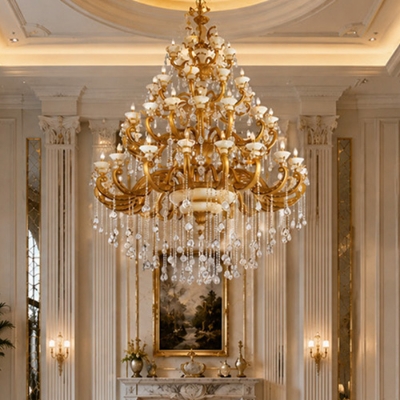
Chandeliers
A timeless classic, these chandeliers or ceiling fixtures add a touch of royalty to any space.
- 02
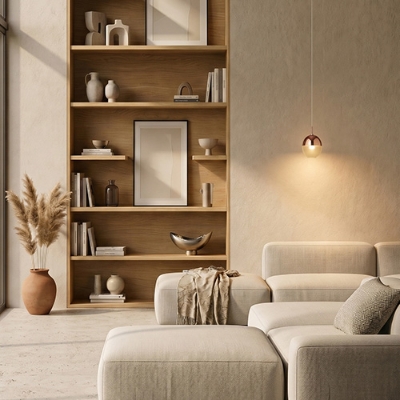
Ceiling Lights
Whether you desire a subtle glow or a statement piece, these ceiling lights redefine room aesthetics.
- 03
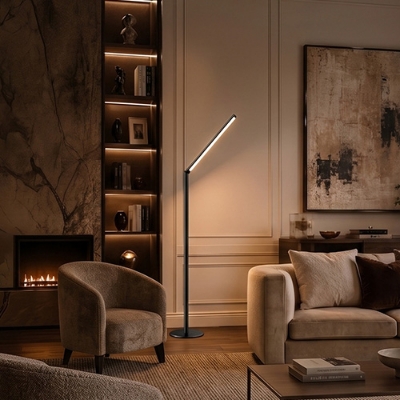
Floor Lamps
Bringing elegance to corners and open spaces, they play a pivotal role in setting the ambience.
- 04
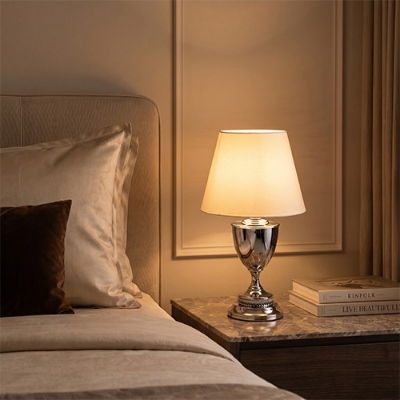
Table Lamps
Perfect for bedside tables and workspaces, these table lamps combine beauty with functionality.
- 05
Wall Lights
Sculpted to perfection, wall lights cast a soft, inviting glow, ideal for hallways and bedrooms.
Whether you're redesigning a space or simply updating your lighting, discover a portfolio that satisfies even the most discerning tastes.
Show Why Choose Decorative Lighting by Jaquar?
- 01
Finishes
Each decorative lighting product bears a finish that speaks volumes of its exquisite craftsmanship.
- 02
Unmatched Warranty
Trust is built over time, but a robust up to 10-year warranty accelerates it.
- 03
Longer Life
The essence of these led decorative lights is their enduring life, promising luminance that spans years.
- 04
Versatility
From cozy cafes to opulent hotel lobbies, room decor lights effortlessly fit every setting
- 05
Wide Range
Catering to a myriad of tastes, their vast collection ensures there’s something for every decor enthusiast.
- 06
Jaquar Care
Prioritizing client contentment, the brand consistently outshines in service, making it a preferred choice among those seeking fancy lights
Jaquar, with its spectrum of decorative lights, consistently emerges as the top choice among patrons. As the customer needs evolve, Jaquar continues to illuminate spaces, making it an enduring choice for quality and style.
FAQs:
- Fancy lights are commonly referred to as decorative lighting.
- This includes chandeliers, pendant lights, wall sconces, and designer fixtures that primarily enhance the visual appeal of a space.
- Beyond functionality, they act as statement pieces, adding character, elegance, and mood to interiors.
- Decorative lights are available in diverse designs, from modern minimalism to classic luxury, making them versatile options for personalising any room.
Different types of Decorative Lights are:
- Chandeliers – grand statement fixtures.
- Pendant lights – versatile hanging lights.
- Wall sconces – mounted for ambience.
- Floor and table lamps – portable decorative lighting.
- String and fairy lights – creative, soft ambience.
- Designer lights – unique, customised pieces.
Show Q3. How do I choose the right type of decorative lights?
- Match fixture style with room décor.
- Choose size proportional to the space. Select warm or cool tones based on mood.
- Focus on focal points like dining areas or entryways.
- Opt for dimmable LEDs for ambience control.
- Ensure durability with quality finishes and materials.
Mixing finishes and styles requires balance.
- Start with a primary finish, such as chrome or brass, then introduce accents in matte black or gold for contrast.
- Combine modern fixtures with classic touches, ensuring a unifying element such as colour temperature or shape.
- Avoid overcrowding—two or three finishes are enough.
- Layering pendant lights, sconces, and lamps in different styles creates depth, but maintaining harmony ensures the room feels cohesive, not cluttered.
- Warm white (2700K–3000K): Creates a cosy, intimate atmosphere.
- Neutral white (3500K–4000K): Balanced, versatile for most rooms.
- Cool white (4000K–5000K): Crisp light for clarity and modern spaces.
- Adjustable LEDs: Allow flexibility for mood or activity.
- The lifespan of decorative lights depends on the type of bulb used.
- LED-based decorative fixtures last 20,000–50,000 hours, offering years of use with minimal replacements.
- Traditional incandescent or halogen decorative lights may last only 1,000–2,000 hours, requiring frequent changes.
- High-quality fittings with durable finishes ensure both the fixture and the light source maintain their appearance and function over time, making LED decorative lights the most reliable and cost-effective option.