


We use cookies to deliver the best possible experience on our website. By continuing to use this site, or closing this box, you consent to our use of cookies.

LED Strip
Filters
Sort by
- Page 1 of 1 (5 total)
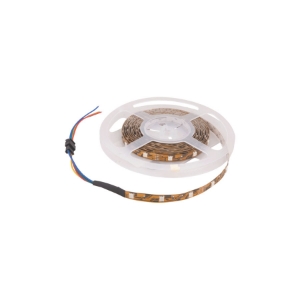
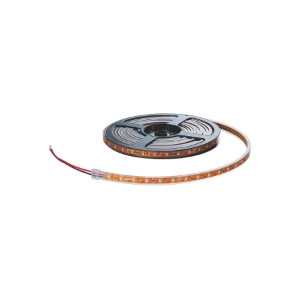
RGB Light Strip
LED strip lights are flexible lighting solutions designed to deliver consistent illumination across surfaces and edges. Known for low energy consumption and long operational life, they are commonly used for accent, task, and indirect lighting, offering reliable performance and adaptable installation for modern residential and commercial interiors.
If you're seeking top-quality designer LED lights for your home, LED Strip lights are ideal. They'll quickly illuminate your space and create the perfect mood. So look no further than Jaquar LED strip lights that come with excellent light fixtures for a stylish upgrade.
Discover our high-quality RGB light strip, LED strip lights in multiple colors.
- 01
Types of LED Strip Lights by Jaquar:
Jaquar also offers a variety of colour finishes for its LED strip lights, such as:
- Indoor LED Strip Light :They offer a perfect blend of brightness and energy efficiency for a well-lit indoors.
- Outdoor Strip Light : Ideal for those who love seeing a touch of brilliance in their outdoor surroundings.
- Rope Light: Rope light for outdoor aesthetics, a perfect combination of functionality and style to enhance your spaces.
- 02
Colour Finishes of Strip Lights:
Jaquar also offers a variety of colour finishes for its LED strip lights, such as:
- Amber: Warm and cosy, suitable for bedrooms, living rooms, and dining rooms.
- Cool White: A bright and crisp option that's perfect for well-lit spaces like kitchens, bathrooms, and offices.
- Blue: For a cool and soothing ambience, making it an ideal choice for creating serene vibes in bathrooms, and spa-like settings.
- Green: Infuse a fresh and natural ambiance into living rooms and balconies with this vibrant green hue.
- Ice Blue: Create a light and frosty atmosphere in bathrooms, hallways, and staircases with this chilling ice blue shade.
- Neutral White: Achieve a balanced and neutral lighting effect, ideal for any room where clear and accurate colour representation is essential.
- Red: Add warmth and passion to dining rooms, bars, and entertainment areas with this rich red hue.
- Warm White: Indulge in a soft and cosy ambiance, making it a fitting choice for bedrooms, living rooms, and dining areas.
Designing with LED Strip Lights: A Guide to Architectural Integration and Practical Lighting
LED strip lights offer a flexible way to integrate illumination into the architecture and furnishings of a space. Unlike conventional light fittings that occupy a visible position on a wall or ceiling, strip lighting can follow edges, recesses and linear details to create a more integrated lighting effect. It can help define the shape of an interior, draw attention to selected features and complement the room's primary lighting.
The most effective applications begin with a clear understanding of what the light needs to achieve. A strip installed inside a ceiling recess serves a different purpose from one used beneath cabinetry, within a display unit or along an outdoor architectural feature. The location, required light output, surrounding surfaces and technical specifications should all inform the selection.
Jaquar's LED strip lighting options can be considered for a variety of residential and commercial lighting plans. By evaluating the intended application before choosing a product, homeowners, architects, interior designers and lighting professionals can develop installations that combine visual consistency with practical illumination.
Integrating Strip Lighting into Architectural Design
Strip lighting is particularly useful when illumination needs to follow the lines of a building or interior feature. Rather than treating the light fitting as a separate decorative object, the designer can incorporate it into the composition of the space.
Emphasising Architectural Lines
Architectural lighting can draw attention to the geometry of a room. A concealed strip positioned along a suitable ceiling recess, for example, can emphasise the transition between the ceiling and the walls. Similar principles can be applied to selected niches, shelving arrangements and other architectural details.
The position of the light source determines how clearly the feature is revealed. A strip placed too close to a surface may create a concentrated highlight, while a different position may distribute light more broadly. The final result depends on the profile, distance from the surface, surrounding materials and characteristics of the selected strip.
Before installation, consider the feature from several viewpoints. A ceiling detail that looks balanced from directly below may appear uneven when viewed from the entrance or an adjoining room. A lighting plan should account for these sightlines instead of focusing only on the installation drawing.
Creating Depth with Indirect Illumination
Indirect lighting uses reflected light to illuminate a space without making the light source the main visual feature. LED strips can be incorporated into suitable coves, recesses or concealed profiles to create this effect.
The ceiling or wall becomes part of the lighting design because the light reflects from its surface into the room. The appearance will vary according to the surface colour, texture, reflectivity and geometry. Lighter surfaces generally reflect more light, while darker or highly textured finishes can produce a different result.
Indirect illumination is useful when the aim is to introduce a subtle layer of light alongside the main ceiling fixtures. It should not automatically be treated as a replacement for all general lighting. The required brightness and distribution depend on the room's dimensions, intended activities and the output of the selected installation.
Working with Minimalist Interiors
Minimalist interiors often rely on clean lines, restrained materials and limited visual clutter. Strip lighting can support this approach by providing illumination without introducing another prominent fixture into the room.
For example, a concealed strip can follow the edge of a ceiling detail or highlight a recessed shelf while leaving the surrounding architecture visually simple. The lighting becomes part of the composition rather than an independent decorative element.
Precision is especially important in these interiors. Uneven gaps, exposed wiring, visible dots or inconsistent illumination can draw attention to the installation. Careful planning of the mounting position, profile and light distribution helps create a more considered result.
Choosing Between Conventional LED Strip Lights and COB Strip Lights
Different strip-light designs can produce different visual effects. The appropriate option depends on whether the project prioritises concealed architectural illumination, a more continuous line of light or another specific application.
Understanding Conventional LED Strip Lighting
Conventional LED strip lights use individual light-emitting diodes arranged along a strip. Depending on the product and installation, these individual sources may be more visible when the strip is exposed or placed close to a reflective surface.
This characteristic does not make conventional strip lighting unsuitable. It may be appropriate when the strip is concealed within a recess, installed in a suitable profile or positioned so that the individual light sources are not directly visible.
The intended viewing angle matters. A strip that looks uniform from one position may show more distinct points of light from another. Reviewing the actual product and the proposed installation detail helps establish whether the appearance will meet the design objective.
When COB Strip Lighting May Be Appropriate
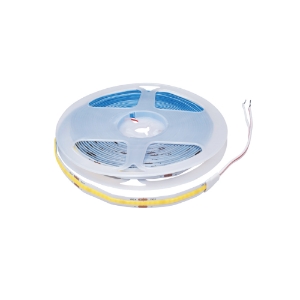
Chip-on-board, commonly abbreviated as COB, is a type of LED construction designed to create a more continuous-looking light line. Jaquar's listed COB indoor strip lights are described as providing highly uniform illumination with minimal visible spotting.
This can be useful when the strip itself is more exposed or when a smoother linear appearance is important to the design. Potential applications include selected furniture details, architectural recesses and other installations where the visual continuity of the light contributes to the finished effect.
The final appearance still depends on the product, installation and surrounding surfaces. A COB strip should not be assumed to eliminate every variation under all conditions. Review the product specifications and, where possible, assess a sample in a representative setting before committing to a large installation.
Evaluate the Complete Installation, Not Only the Strip
The strip is only one part of the lighting system. Its mounting position, profile, power supply, connections and surrounding materials influence the completed installation.
A suitable strip may still produce an unsatisfactory result if it is installed where the individual light sources are too visible, if the surface reflects light unevenly or if the selected output is inappropriate for the space.
For projects with long visible runs, corners or several connected sections, review the proposed arrangement before installation. This helps establish how the lighting will appear at transitions and whether the overall design maintains a consistent visual rhythm.
Using LED Strip Lights in Ceilings and Cove Details
Ceilings offer several opportunities for integrated lighting because they often contain recesses, perimeter details and transitions between different levels. Strip lighting can help emphasise these features when the installation is designed around the architecture.
Plan the Relationship Between the Strip and Ceiling
The location of a strip within a ceiling recess affects the direction and spread of the light. Before choosing the final position, consider the depth of the recess, the distance from the reflecting surface and whether the light source will remain concealed from normal viewing angles.
The ceiling material also affects the result. A smooth surface may produce a different appearance from a textured finish, and the colour of the ceiling influences how much light is reflected into the room.
Mock-ups can be particularly helpful when the ceiling detail is complex. Testing a short section before completing the entire installation allows the designer to review the effect and make adjustments to the profile or positioning where permitted by the product instructions.
Combine Cove Lighting with General Illumination
Cove lighting can create a soft architectural layer, but it may not provide enough illumination for every activity. A living room, kitchen or workspace may also require suitable general lighting and dedicated task lighting.
A coordinated approach can combine concealed strip lighting with ceiling lights to provide different layers. The ceiling fixtures can support general visibility, while the strip emphasises the architectural details.
The balance should be based on the actual room rather than on the number of fixtures. Consider the ceiling height, natural light, surface finishes and the activities taking place in the space. This helps avoid a layout that is visually attractive but insufficient for everyday use.
Integrating Strip Lights with Furniture and Storage
Furniture-integrated lighting can make selected surfaces and storage areas easier to see while adding definition to the interior. The most successful installations respond to how the furniture is used rather than simply adding illumination to every available edge.
Kitchen Cabinetry and Work Areas
LED strip lighting may be considered for selected cabinetry details and other suitable kitchen applications. Depending on the layout, it can highlight cabinet edges, provide supplementary illumination beneath wall cabinets or emphasise a recess.
Where the light is intended to support food preparation, the designer should evaluate its actual illumination at the work surface. Decorative light alone should not be assumed to provide sufficient task lighting. The position, output and distribution must be appropriate for the activity.
The installation also needs to account for the conditions around the kitchen. Steam, moisture, heat, cleaning products and grease may affect the suitability of a particular product or mounting position. Confirm the manufacturer's requirements for the exact strip and associated components before using them in these locations.
Wardrobes and Storage Units
A wardrobe or storage unit can benefit from lighting that helps reveal its contents and defines its internal layout. Strip lighting may be considered for suitable shelving, compartments or other furniture details, subject to the product's installation requirements.
The strip should be positioned so that it does not obstruct doors, drawers or stored items. Consider how the light falls on clothing and other contents, and whether the installation will remain accessible for maintenance.
The wiring and power supply also need to be planned carefully. Connections should be concealed where appropriate without making future servicing unnecessarily difficult. Any automatic switching or sensor-based operation should be used only when supported by the selected system and installed according to its instructions.
Shelving, Display Units and Decorative Niches
Strip lighting can emphasise objects displayed on open shelves, in cabinets or within architectural niches. It can help create visual separation between the displayed objects and the surrounding surfaces.
The best placement depends on the depth of the shelf, the position of the objects and the viewing angle. A strip placed too close to a glossy surface may create distracting reflections, while a position that is too far from the display may reduce the intended emphasis.
Consider the colour and reflectivity of the displayed materials. Glass, polished stone, metal and glossy finishes can respond differently to direct illumination. Test the proposed arrangement where possible, particularly when lighting valuable objects or products that need accurate colour presentation.
Planning Strip Lighting for Different Rooms
Although the underlying technology may be similar, the requirements of a strip-light installation differ according to the room's purpose. Selecting the location and light characteristics around the intended activity can produce a more useful result.
Living Rooms and Lounge Areas
In living rooms, strip lighting can be used to emphasise ceiling details, shelving, selected wall features or entertainment units. It can complement the primary light sources without competing with the room's furniture and decorative elements.
A layered arrangement may combine general illumination with concealed architectural light and selected accent fixtures. Explore decorative lighting when developing the wider scheme, especially where the interior also includes statement fixtures.
The goal is to maintain flexibility. A living room may be used for conversation, reading, entertainment and other activities, each of which can require a different balance of illumination. Where separate controls are supported, planning distinct lighting circuits can help accommodate these changing requirements.
Bedrooms
Bedrooms often benefit from a combination of general illumination and more localised lighting. A concealed strip can highlight a ceiling recess, headboard detail or suitable storage feature, while other fixtures provide light for reading, dressing and everyday tasks.
Avoid selecting the strip solely for its visual appearance. Consider whether the light will be directly visible from the bed and whether the installation creates unwanted brightness or reflections. The intended colour temperature and brightness should be consistent with the wider lighting plan.
If the strip is intended to be dimmed, confirm compatibility across the strip, driver and control equipment before installation. Dimming functionality should never be assumed unless it is supported by the selected components.
Bathrooms and Vanity Areas
Strip lighting may be considered for selected bathroom details, such as suitable vanity features or architectural recesses, provided the product is appropriate for the location.
Bathrooms require particular care because electrical equipment may be exposed to moisture. The product's IP rating, permitted installation zone, power supply and applicable local requirements must be assessed before specifying the strip. Not every indoor LED strip is suitable for a bathroom, shower area or location near a water source.
Where a strip is used near a mirror, consider how its position affects facial illumination and reflections. An architectural accent strip may not provide the balanced light required for grooming or other detailed tasks. A separate suitable fixture may be needed to support those activities.
Offices and Workspaces
In offices, strip lighting can contribute to architectural definition, reception details, shelving and selected work areas. However, the lighting arrangement should prioritise visual comfort and appropriate illumination at desks and shared work surfaces.
Assess the potential for glare on computer displays and reflective worktops. The direction of light, position of the source and balance with other fixtures all affect the working environment.
For commercial projects, consider how the strip integrates with the wider lighting specification, including maintenance access, control arrangements and the intended operating schedule.
Strip Lighting in Commercial and Hospitality Projects
Commercial applications introduce additional considerations because the lighting may operate for extended periods and serve a large number of users. The design should account for the visual identity of the space as well as practical installation and maintenance requirements.
Retail and Product Displays
In retail settings, strip lighting can help define display shelves, counters, selected product features and architectural details. The objective is to guide attention without creating excessive brightness or distracting reflections.
Product presentation can be affected by colour rendering, colour temperature, output and the direction of illumination. Where accurate colour appearance is important, check the relevant product specifications rather than assuming that every LED strip will render colours in the same way.
The installation should also be coordinated with display materials. Reflective packaging, glass shelves and polished surfaces may produce highlights that change how products appear. A sample installation can help the project team evaluate the result before the lighting is replicated across a larger space.
Hotels and Hospitality Interiors
Hospitality environments often use lighting to establish a consistent design language across entrances, guest areas, lounges and other shared spaces. Strip lighting can reinforce architectural lines and complement the decorative fixtures used elsewhere in the property.
The design should be consistent without becoming repetitive. A strip may emphasise a ceiling detail in one area and a suitable display feature in another, provided the applications meet the product's requirements.
For projects involving multiple rooms, document the strip type, associated driver, installation detail and control arrangement. A clear specification helps maintain consistency across the property and supports future maintenance.
Offices, Restaurants and Shared Facilities
In offices and restaurants, strip lighting can be incorporated into selected ceilings, counters, wall details and other architectural features. Its role should be defined clearly within the overall lighting design.
A strip used for accent lighting should not be expected to replace the general or task lighting needed for the space. The full arrangement should account for circulation, work activities, dining areas and other functions.
Commercial installations should also consider access for cleaning and servicing. Profiles, power supplies and connections should be positioned so that the responsible team can maintain the system in accordance with the manufacturer's instructions.
Outdoor Strip Lighting and Environmental Suitability
Outdoor lighting can extend the visual language of a building beyond its interior. Strip lighting may be considered for suitable architectural features, selected landscape details and other applications where the product is specifically designed for outdoor use.
Highlighting Architectural Features
Outdoor strip lighting can be used to emphasise a defined architectural edge or selected feature of a building. The aim should be to complement the structure rather than illuminate every surface indiscriminately.
Consider the viewing distance, surrounding buildings, surface materials and the direction in which the light will be seen. The installation should avoid unnecessary glare and should not direct light into neighbouring properties or areas where it may cause discomfort.
The choice of product and mounting arrangement must account for the environmental conditions at the installation location. Outdoor exposure varies considerably, so suitability should be confirmed using the product documentation.
Balconies, Pathways and Landscape Details
Selected outdoor applications may include suitable balcony features, pathways, garden structures and landscape elements. The strip should be positioned to support the intended visual effect while remaining protected according to its stated rating and installation requirements.
For pathways and circulation areas, accent lighting should not be assumed to provide all the illumination required for safe movement. The overall outdoor lighting plan may need additional fixtures designed for general or functional illumination.
When planning landscape lighting, consider how plants and other features may change over time. A strip concealed behind a planting edge, for example, should remain accessible for inspection and should not be installed where growth or maintenance activities are likely to damage it.
Confirm the Appropriate Outdoor Product
The distinction between indoor and outdoor products is important. An indoor strip should not be used outdoors simply because it can be placed inside a protective-looking recess. Environmental exposure, moisture, dust, temperature and the suitability of connections all need to be considered.
Review the specified IP rating and any restrictions relating to installation, mounting and power supplies. The complete system must be appropriate for the intended location, not just the LED strip itself.
Where a project includes both indoor and outdoor lighting, specify the products separately and confirm that each one meets the conditions of its installation.
Understanding Colour Temperature and Visual Consistency
Colour temperature influences how light appears and how it interacts with the materials in a room. When several fixtures operate together, differences in colour temperature can affect the visual consistency of the space.
Warm, Neutral and Cool White
Warm white generally has a softer, warmer appearance and may suit interiors where a more relaxed visual atmosphere is desired. Neutral white provides a more balanced appearance, while cool white looks crisper and may be selected for certain functional or contemporary applications.
The right choice depends on the intended use, surrounding finishes and other light sources. These descriptions are general guidance rather than strict rules for particular rooms.
Review the colour temperature specified for the exact product. Where a project uses several different strip runs, keeping the selected specification consistent can help reduce visible differences between adjoining sections.
Consider Colour Rendering
Colour rendering describes how accurately a light source reveals the colours of objects compared with a reference light source. It can be important in retail displays, work areas, kitchens and interiors where the appearance of finishes matters.
When colour accuracy is a priority, review the product's stated colour rendering information. Do not infer a particular CRI value from the product category or from the fact that it uses LED technology.
A sample can help assess the appearance of the light on the actual materials used in the project. This is especially useful when the installation involves timber, textiles, paint finishes, stone or products with distinctive colours.
Drivers, Power Supplies and Control Compatibility
The strip itself is only one component of a complete lighting installation. The power supply and any control equipment must be compatible with the selected product and the intended arrangement.
Match the Power Supply to the Strip
Check the product's stated voltage, power requirements and driver compatibility before planning the installation. The selected power supply must be suitable for the strip and the total electrical load of the proposed arrangement.
Do not choose a driver based solely on its physical size or general description. Follow the manufacturer's documentation and have the electrical design reviewed by a qualified professional where required.
The position of the power supply should also be planned in advance. It needs to be installed in an appropriate environment and remain accessible for inspection or replacement as specified by the manufacturer.
Plan Long Runs and Connections Carefully
Where a project includes several strip sections, the electrical arrangement should be designed around the product's stated limitations and connection requirements. Long runs should not be assembled by simply joining sections without checking the permitted configuration.
Uneven brightness, visible differences between sections or unexpected operating issues can arise when the installation does not follow the system's requirements. The correct arrangement depends on the specific product and its power supply.
Documenting the layout before installation helps the installer identify the number of sections, connection points, corners and required accessories.
Confirm Dimming and Smart Control Support
Dimming and smart control can offer flexibility, but compatibility must be confirmed for the complete system. A dimmer or controller that is unsuitable for the selected driver may not operate correctly.
If the project requires timed operation, remote control or integration with a wider lighting system, verify that the relevant components support those functions. Do not assume that every strip light includes smart features or can be connected to any controller.
For international projects, also consider the control and electrical requirements applicable to the installation location.
Installation Quality, Heat Management and Maintenance
A well-planned installation helps the strip lighting perform as intended and makes ongoing care more manageable. Product suitability, mounting conditions and access should all be considered before the installation is completed.
Prepare the Mounting Surface
The surface should be appropriate for the selected mounting method and prepared according to the manufacturer's instructions. Dust, unevenness or unsuitable materials can affect how securely the strip or profile is installed.
Where a profile is used, confirm its dimensions and mounting arrangement before cutting or finishing the surrounding material. The profile should align with the architectural detail and allow the strip to be installed as intended.
Do not assume that every strip can be bent, cut or joined in the same way. Follow the instructions for the exact model and avoid modifying components beyond the permitted methods.
Account for Heat Management
LED strip installations can require suitable heat management depending on the product and operating conditions. The mounting surface, profile and surrounding enclosure may influence how heat is dissipated.
Do not seal a strip into an enclosed space unless the product documentation permits that arrangement. Follow any specified mounting or thermal requirements, and ensure that the selected profile and installation method are appropriate for the strip.
Where the installation is unusually long, enclosed or technically complex, obtain guidance from the manufacturer or a qualified lighting professional before proceeding.
Preserve Access for Maintenance
Concealed lighting should remain maintainable. A driver hidden permanently behind a finished surface may be difficult to replace if access has not been planned.
Consider how the strip, power supply and connections can be reached if inspection or replacement becomes necessary. Access panels or removable architectural elements may be appropriate where they can be incorporated without compromising the design.
Cleaning procedures should follow the manufacturer's guidance. Switch off the power before carrying out permitted cleaning or inspection, and use suitable materials for the installed product and surrounding surfaces.
Planning an Effective LED Strip Lighting Scheme
A successful strip-light installation starts with the intended result and works backwards to the appropriate product and technical arrangement. The following considerations can help structure the planning process.
Define the purpose. Decide whether the strip is intended for indirect illumination, accent lighting, display visibility or another specific function.
Select the location. Identify the architectural feature, furniture element or outdoor area where the light will be installed.
Assess the viewing angle. Check whether the strip or individual light sources will be visible from normal positions within the space.
Review the required light characteristics. Consider output, colour temperature, colour rendering and the intended distribution of light.
Choose the appropriate strip type. Compare the available conventional and COB options against the desired visual result and the product's specifications.
Verify the complete system. Confirm compatibility between the strip, power supply, profile, connections and any controls.
Check the environment. Assess moisture, dust, temperature and other conditions that may influence product suitability.
Coordinate with other fixtures. Ensure the strip works alongside general lighting, task lighting and decorative elements rather than duplicating their functions unnecessarily.
Plan installation and servicing. Preserve access to components and follow the manufacturer's instructions for mounting, electrical connections and maintenance.
Review the completed effect. Where possible, test a representative section before repeating the installation across the entire project.
This approach can help avoid common issues such as visible light spotting, inconsistent colour, excessive glare, inaccessible power supplies and lighting that does not provide the intended effect.
Explore LED Strip Lighting by Jaquar
LED strip lighting can contribute to a wide range of architectural and interior applications, from concealed ceiling details to furniture accents and suitable outdoor features. The key is to select a product that matches the intended use and plan the installation around its technical requirements.
Jaquar's lighting portfolio includes LED strip options for different applications, including indoor and COB formats. Review the individual product specifications to confirm the available characteristics, installation requirements and compatible components.
For a coordinated lighting scheme, consider strip lighting alongside other floor lamps and the wider lighting plan. Combining appropriately selected light sources can create a more balanced result, with each fixture serving a clear purpose.
By bringing together architectural planning, suitable product selection and careful installation, LED strip lights can become an integrated part of the space rather than an afterthought. This creates opportunities to emphasise design details, support practical visibility and maintain a consistent lighting language across residential and commercial environments.
Why Choose Jaquar For Strip Lights?
Jaquar, a global brand in the lighting industry offers excellent and innovative products to enhance your spaces. Here are a few reasons to consider:
- Finishes: Jaquar strip lights come in various finishes that can complement any decor and style.
- Unmatched Warranty: It’s backed by a 10-year warranty. Feel peace of mind knowing that your strip lights are protected.
- Longer Life: It has a lifespan of up to 50,000 hours, which means they can last for years without needing to be replaced. Now save money and time on maintenance and replacement costs.
- Jaquar Care: Jaquar offers excellent customer service and support. Contact Jaquar Care for queries, complaints, or feedback. The team will ensure that patrons have a satisfying and hassle-free experience
Jaquar LED strip lights embody excellence in quality, variety in design, and lasting elegance, transforming both indoor and outdoor illumination. They infuse every space with a sophisticated and refined touch.