

A customer walks into two identical stores selling the same product at the same price. One feels bright, inviting, and easy to browse. The other feels flat and forgettable. Nine times out of ten, the difference is lighting. If you are a store owner, a visual merchandiser, or an interior designer working on a commercial fit-out, getting your retail shop lighting design right is one of the highest-return decisions you can make.
Why Retail Lighting Directly Impacts Sales?
Lighting does not just help customers see products. It shapes how they feel in a space, how long they stay, and ultimately whether they buy. Studies show that proper accent lighting increases product dwell time by up to 35%. That is a significant number for any retailer.
Poor interior retail lighting creates flat, uninspiring environments where products fail to stand out. The right setup, by contrast, directs attention, builds atmosphere, and makes merchandise look its best. Every serious lighting design for shop starts with understanding that lighting is a commercial tool, not just a utility.
Trending Shop Lighting Design Styles
1. Spotlights
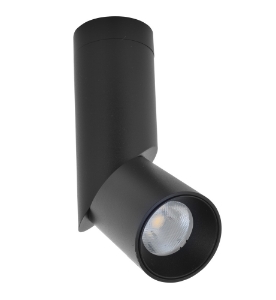
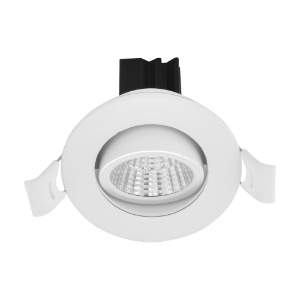
Spotlights remain one of the most effective tools in any shop lighting design. Directional and precise, they draw the eye exactly where you want it. In 2026, adjustable ceiling spotlights with a narrow beam angle are being used to create dramatic product highlights, particularly in fashion, footwear, and accessories retail. High CRI ratings (90 and above) are essential here so that colours render accurately under the beam.
2. Track Lighting
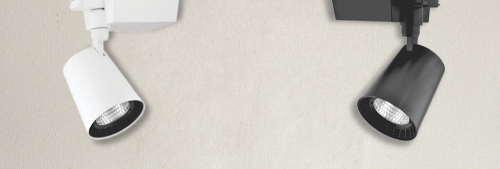
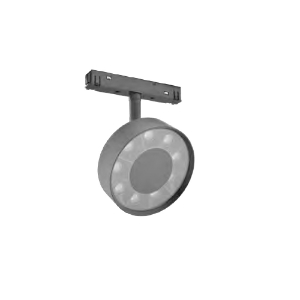
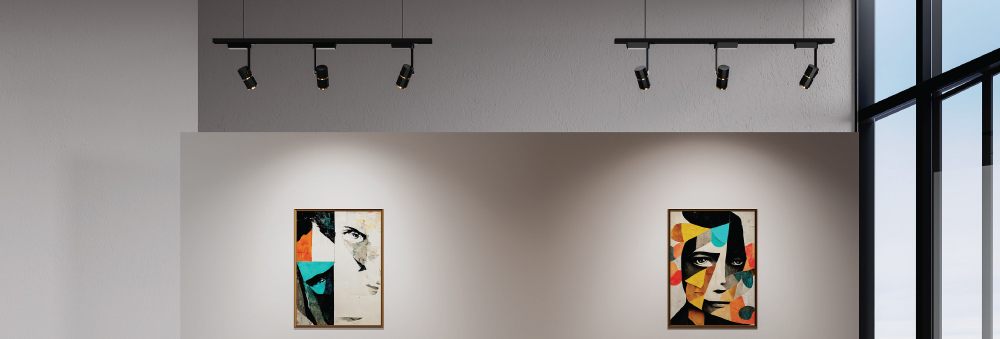
Track lighting offers flexibility that fixed fittings simply cannot match. Heads can be repositioned as displays change, which makes it a practical long-term investment for stores that rotate stock or refresh layouts seasonally. It is a staple of showroom lighting design for this reason. A single track can carry multiple heads, each angled to a different product zone.
3. Cove Lighting
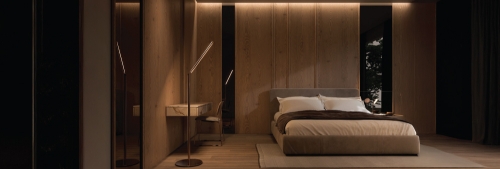
Cove lighting sits in a recessed ledge or ceiling detail, casting light upward or across the ceiling rather than directly downward. It creates a soft, even wash of ambient light that removes harsh shadows and gives a store a polished, premium feel. It works particularly well in boutique retail, beauty, and luxury goods environments where the atmosphere matters as much as the merchandise.
4. Pendant Lighting
Pendant Lights are back in commercial interiors in a big way. Used above service counters, fitting room entrances, or key product displays, a well-chosen pendant adds visual interest and reinforces the brand identity of a space. For showroom lighting ideas, clustering pendants at varying heights over a hero product zone is an effective way to create a focal point that draws customers in from across the floor.
5. LED Strip Lighting
LED strip lighting has moved well beyond the budget applications it was once associated with. In modern shop lighting ideas, it is being used inside shelving units, along skirting lines, behind signage, and under display counters to create a layered, architectural effect. It is energy efficient, flexible, and, when installed well, completely invisible as a source while the effect it creates is anything but.
Also Read: Stair Lighting Ideas: 5 Tips To Light Up Your Stairway
The 3-Layer Retail Lighting Formula
Getting types of lighting in retail stores right means thinking in layers. Each layer has a different job.
1. Ambient Lighting
Ambient lighting is the base layer. It provides the overall illumination level in a space and sets the general mood. In retail, this typically comes from recessed downlights, cove lighting, or a combination of both. It should be consistent across the floor with no dark corners or uneven patches.
2. Accent Lighting
Accent lighting is where the commercial work happens. Spotlights, track heads, and directional fittings are used to highlight specific products, shelving bays, or display zones. The contrast between ambient and accent light is what creates visual hierarchy and pulls customers toward key merchandise. Aim for a ratio of roughly 3:1 or higher between accent and ambient light levels on hero products.
3. Task Lighting
Task lighting serves a functional purpose at specific work points. Fitting rooms, till counters, stockroom areas, and consultation desks all benefit from focused task lighting that supports what staff and customers are actually doing. It is often overlooked in retail fit-outs but makes a real difference to the working environment and customer experience.
Also Read: What is Spotlights - A Guide To Use LED Spotlight Effectively
Colour Temperature Guide for Retail Lights
Colour temperature is one of the most misunderstood decisions in showroom light design. Get it wrong and even good products can look unappealing.
A. 3000K (warm white) works well for apparel, homeware, and lifestyle retail. It is flattering on skin tones and gives fabrics a rich, warm appearance.
B. 3500K to 4000K suits grocery, pharmacy, and electronics retail where clarity and accuracy matter more than warmth.
C. Cool white above 4000K works in jewellery and high-end electronics where crisp, bright light enhances shine and detail.
Whatever temperature you choose, pair it with a CRI of 90 or above. CRI (Colour Rendering Index) measures how accurately a light source renders true colours compared to natural light. Below 90, colours shift in ways that can actively work against your merchandise.
Common Retail Lighting Mistakes to Avoid
- Using only one type of fitting across the whole store is the most common error. It removes visual hierarchy and makes everything look equally unimportant.
- Ignoring colour temperature consistency creates a patchy, unprofessional result. Mixing 3000K and 5000K fittings in the same space looks unresolved and unsettles customers without them knowing why.
- Overlooking the fitting room is a costly mistake in fashion retail. Harsh overhead light in a fitting room will send customers away regardless of how well the shop floor is lit. Warm, diffused light at face height makes a measurable difference to conversion.
- Choosing halogen over LED to cut upfront costs is a false economy. LED uses up to 75% less energy than halogen and lasts 15 to 25 times longer. The payback period on LED in a commercial retail environment is typically well under two years.
FAQs:
Q1: What type of lighting is best for retail stores?
A. LED track lighting combined with accent spotlights is the most effective combination for most retail environments. Look for fittings with a CRI of 90 or above to ensure true colour rendering across all merchandise. Flexibility and adjustability are as important as the light output itself.
Q2: What colour temperature is best for shop lighting?
A. 3000K to 4000K covers most retail applications. Warm white around 3000K suits apparel and lifestyle stores, while cooler white at 3500K to 4000K works better for electronics, grocery, and jewellery. Consistency across the whole store is just as important as the temperature you choose.
Q3: How does lighting affect retail sales?
A. Proper accent lighting increases product dwell time by up to 35%, which directly correlates with higher purchase rates. Beyond that, lighting shapes how customers feel in a space. A well-lit store feels trustworthy and premium, both of which have a measurable effect on buying behaviour.
Q4: What is CRI and why does it matter in retail?
A. CRI stands for Colour Rendering Index and measures how accurately a light source shows the true colours of objects compared to natural daylight. In retail, a CRI below 90 can make fabrics look dull, food look unappetising, and products appear different from how they look in natural light. Always specify 90 and above for any commercial retail environment.
Q5: What is the difference between ambient and accent lighting in retail?
A. Ambient lighting provides the overall base illumination across the store floor. Accent lighting is directional and focused, used to highlight specific products, displays, or zones. The contrast between the two is what creates visual hierarchy and guides customer attention toward key merchandise.
Q6: How many lumens does a retail store need?
A. General retail floor areas typically need 750 to 1000 lux. Display areas and hero product zones should be significantly brighter at 1500 to 3000 lux. The contrast between background and highlight levels is what makes products stand out rather than the overall brightness alone.
Q7: Can LED lighting reduce retail energy costs?
A. Yes, significantly. LED uses up to 75% less energy than traditional halogen and lasts 15 to 25 times longer. For a retail store running lights across long trading hours, the reduction in energy bills and maintenance costs makes LED the only practical choice for any serious commercial fit-out.
#Tags:
retail lighting design, boutique lighting ideas, retail lighting design ideas, shop light decoration ideas, shop lighting design ideas, retail store lighting ideas
Explore Our Lighting Categories: